
Steve Martin is one of those rare comedic talents who has left an indelible mark on Hollywood, stand-up comedy, and our hearts.
Whether he’s playing the ‘wild and crazy guy’ or delivering his signature deadpan humor, Steve Martin has a way of making us laugh that feels both timeless and refreshing. In this post, we’ll dive into 20 of the funniest quotes by Steve Martin that perfectly capture his wit, charm, and unique perspective on life.
Get ready to chuckle, giggle, and maybe even snort as we celebrate the genius of Steve Martin!
“A day without sunshine is like, you know, night.”
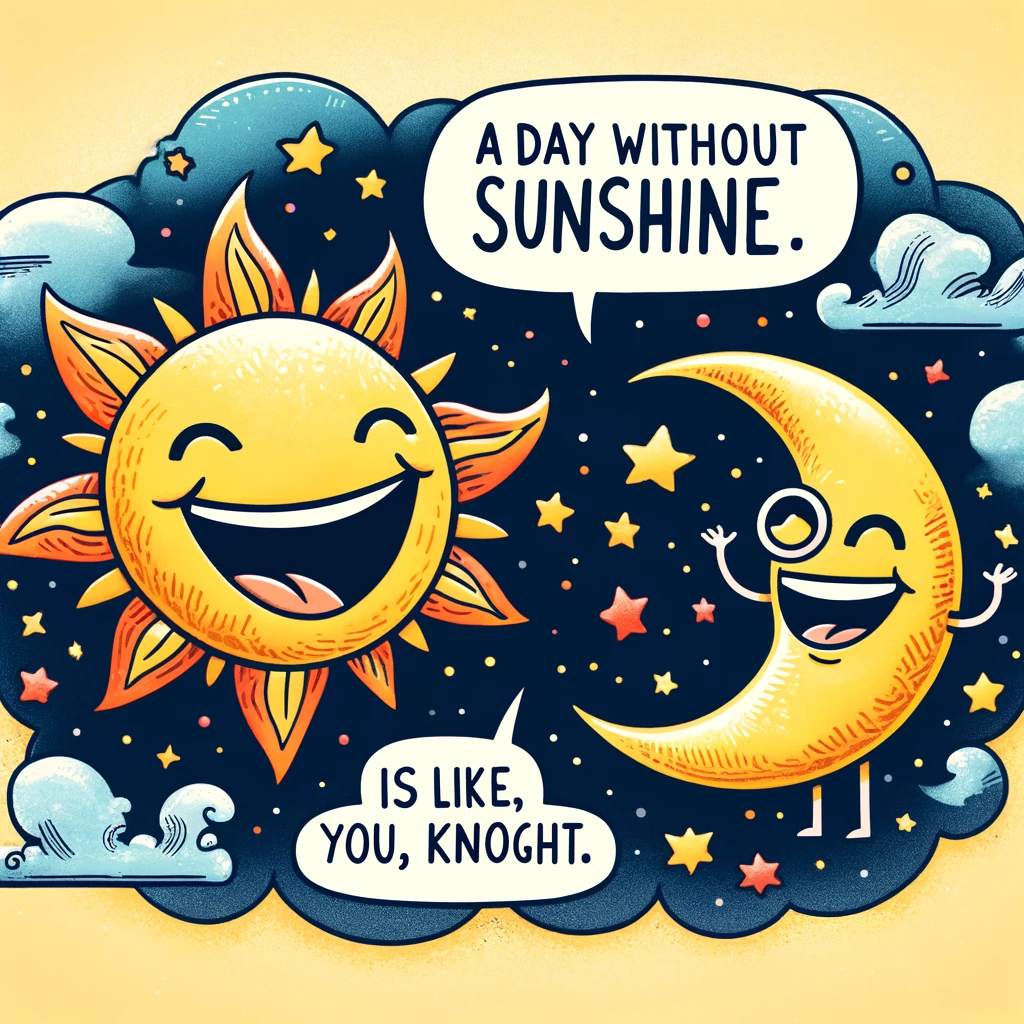
A classic one-liner, this joke exemplifies Steve Martin’s love for absurdist humor.
It takes a simple observation and presents it in an overly simplistic, almost childlike way. The humor lies in stating the obvious in a way that makes the listener pause and realize the simplicity of the statement. Martin often used such jokes to play with audience expectations and make them laugh at the sheer absurdity of the observation.
It’s a perfect example of how Martin uses language to create humor from the mundane.
“I like a woman with a head on her shoulders. I hate necks.”
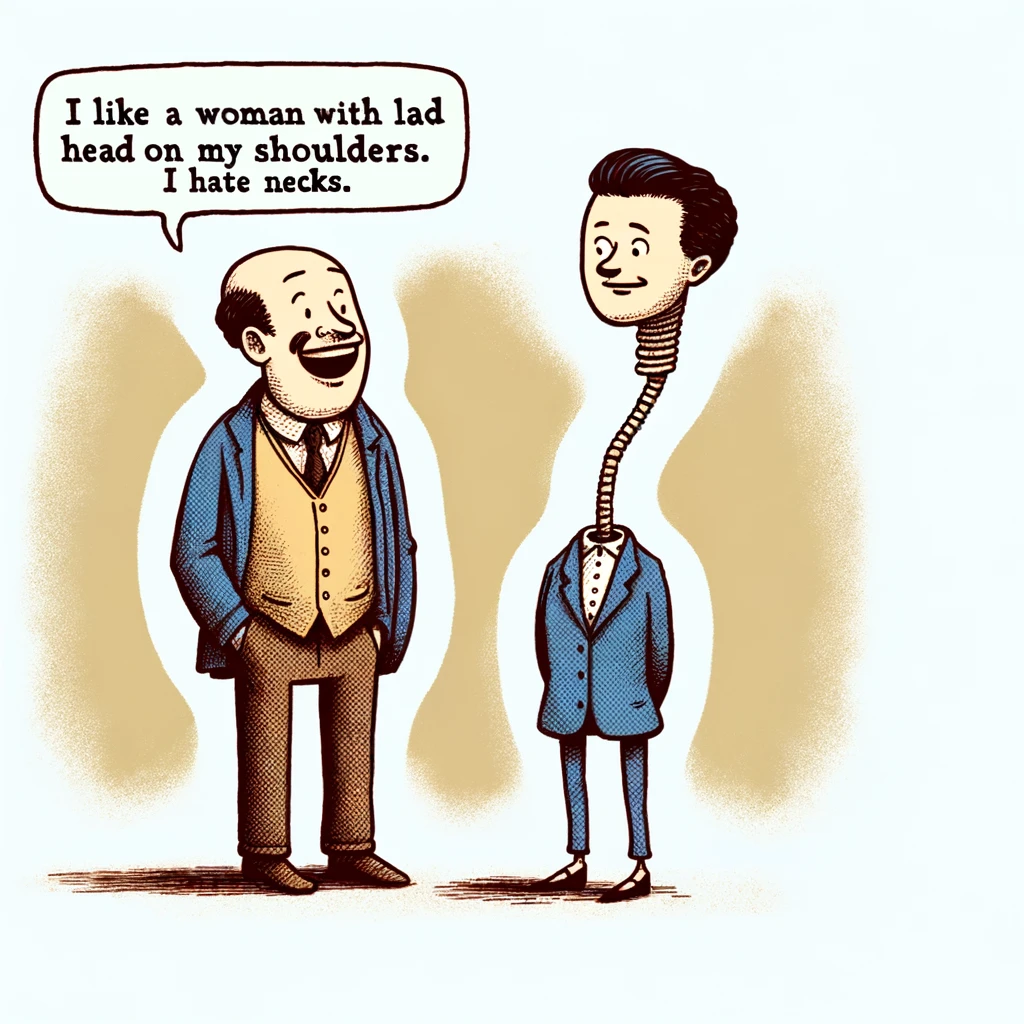
This joke showcases Martin’s ability to twist common phrases into unexpected punchlines.
The setup is familiar, suggesting a preference for intelligent women. The punchline then abruptly shifts to a physical, absurdist interpretation, turning the phrase into a commentary on literal anatomy. This subversion of expectations is a hallmark of Martin’s comedic style, making the audience laugh at the unexpected turn.
It’s a clever play on words that highlights his unique comedic voice.
“Be so good they can’t ignore you.”

This motivational quote from Martin’s memoir emphasizes excellence as a path to success.
Martin reflects on his career, advising that exceptional skill and dedication can make one indispensable. The quote underscores the importance of hard work and talent in achieving recognition and success. It has since become a popular piece of advice, resonating with audiences beyond comedy.
It’s a testament to Martin’s wisdom and experience in the entertainment industry.
“Talking about music is like dancing about architecture.”

This analogy points out the difficulty of expressing certain experiences through words.
The joke suggests that describing music, an auditory experience, with words is as futile as dancing to explain architecture, a visual experience. The humor lies in the recognition of this incongruity and the clever comparison Martin draws. It’s a reflection of his ability to find humor in the abstract and the everyday.
It’s a thought-provoking line that highlights the limits of language.
“You know what your problem is? You’re an analog watch in a digital world.”
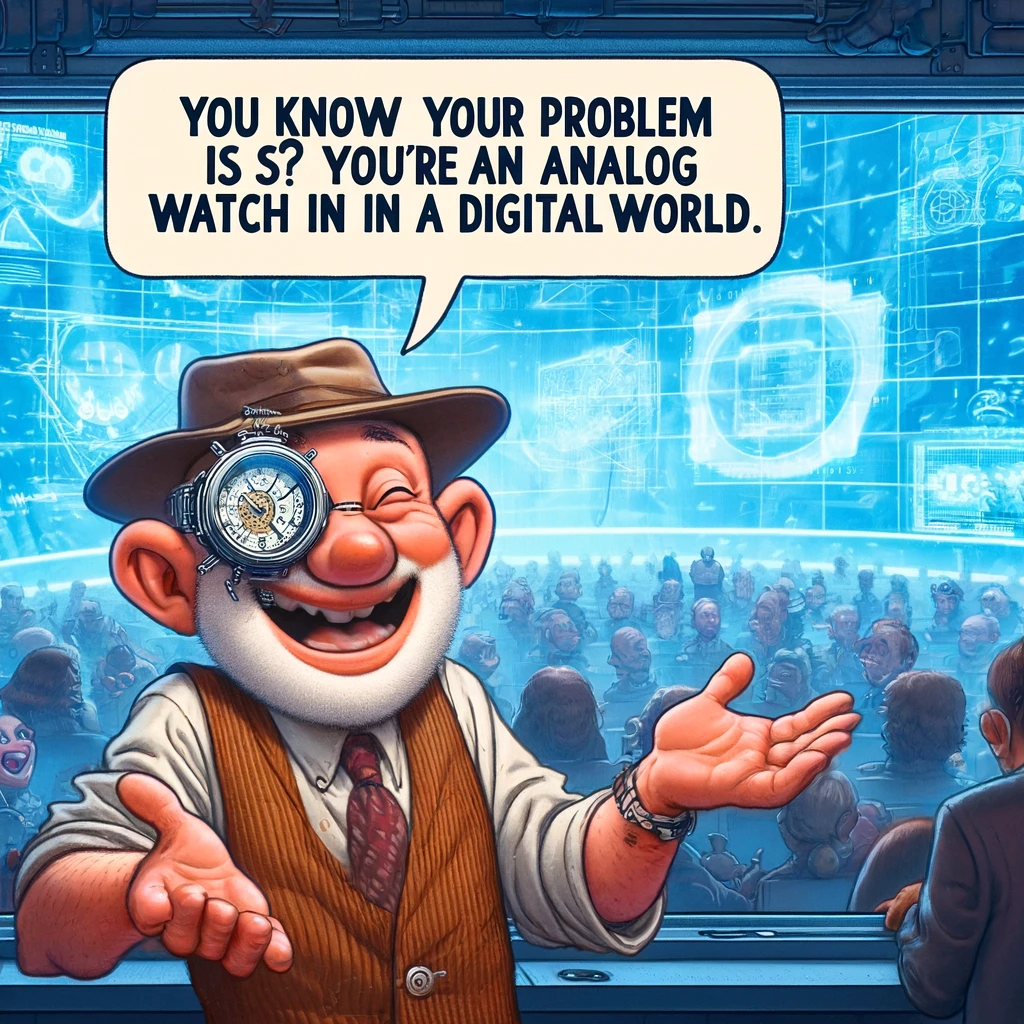
This joke captures the feeling of being outdated in a rapidly changing world.
Martin uses the analogy of an analog watch to represent someone who is behind the times, while the digital world symbolizes modernity and progress. The humor comes from the clever comparison and the recognition of the struggle to keep up with technological advancements. It’s relatable and witty, a staple of Martin’s humor.
It’s a humorous take on the challenge of staying current.
“Boy, those French. They have a different word for everything.”
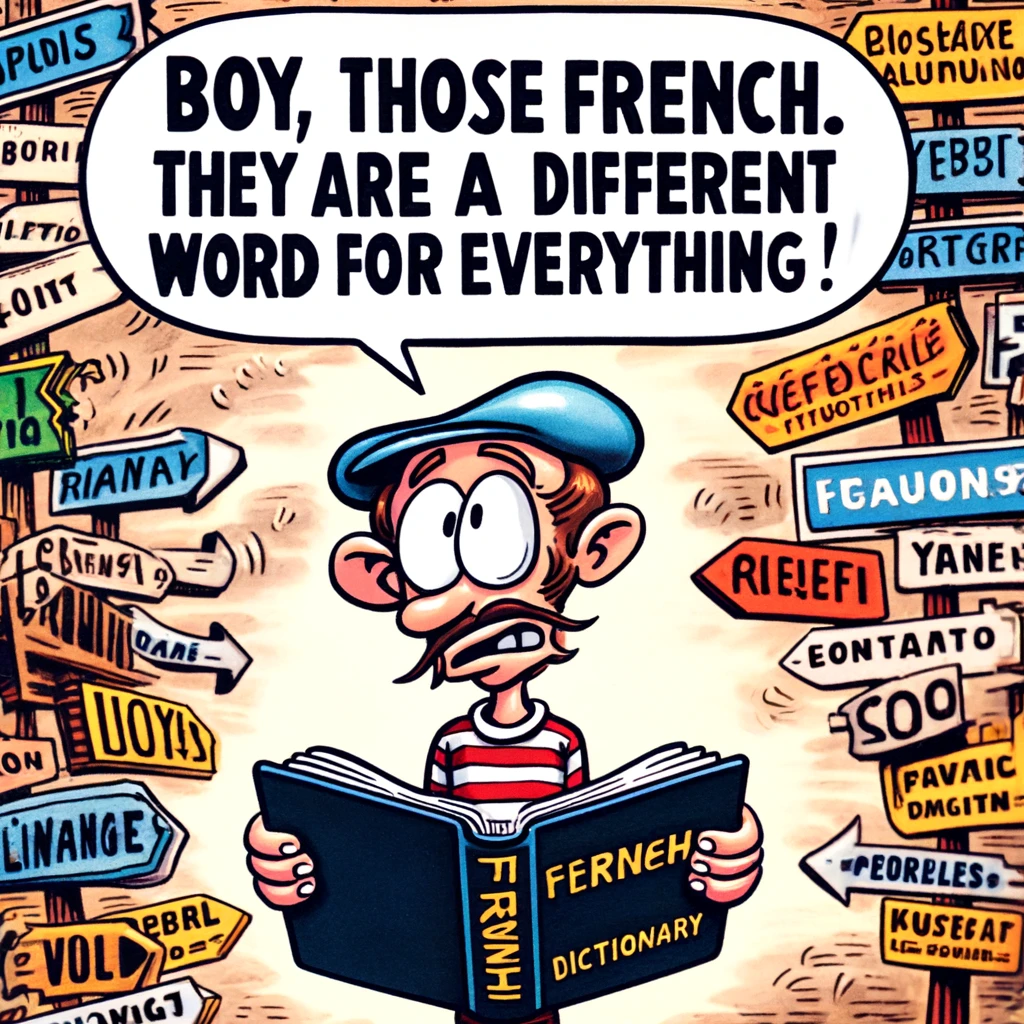
This joke humorously mocks cultural differences and language.
Martin takes a simple truth—that different languages have different words—and presents it as a surprising revelation. The humor lies in the obviousness of the statement and the mock naivety of the speaker. It’s a playful way of highlighting cultural differences while poking fun at the idea of linguistic diversity.
It’s a classic example of Martin’s playful absurdity.
“First the doctor told me the good news: I was going to have a disease named after me.”

This darkly humorous joke plays with the concept of receiving bad news in a positive light.
Martin sets up an expectation of good news, only to deliver a punchline that is both morbid and humorous. The twist is in the positive spin on what is clearly negative news, showcasing his ability to find humor in grim situations. It’s a reflection of his talent for subverting expectations.
It’s a quintessential example of Martin’s dark, clever humor.
“I believe that sex is one of the most beautiful, natural, wholesome things that money can buy.”
This satirical joke comments on the commercialization of intimacy.
Martin juxtaposes the idea of sex being natural and wholesome with the notion of it being purchasable, creating a humorous contrast. The joke critiques societal attitudes towards sex and money, using irony to make a point. It’s a sharp, witty observation on modern values.
It’s a satirical take on the intersection of intimacy and commerce.
“The problem with the world is that everyone is a few drinks behind.”
This joke humorously suggests that alcohol could solve social issues.
Martin uses the idea of drinking to imply that social interactions would be smoother if everyone were a bit more relaxed. The humor lies in the exaggeration and the suggestion that alcohol is a universal social lubricant. It’s a light-hearted take on the role of alcohol in society.
It’s a witty comment on social dynamics and relaxation.
“I just gave my cat a bath. Now I have a scratched face, wet clothes, and an angry cat.”

This relatable joke highlights the challenges of pet ownership.
Martin describes the common, often humorous experience of trying to bathe a cat, which usually ends in chaos. The humor comes from the relatable struggle and the vivid imagery of the aftermath. It’s a simple, everyday observation that many pet owners can laugh at.
It’s a perfect example of finding humor in daily life.
Related Posts
Richard Pryor: The Life And Comedy Of An Icon
Laugh With The 10 Greatest Comedians From The 1970s
Relive the Life and Laughs of Steve Martin: the Jerk
The Amazing Life of Phyllis Diller: The Queen of Comedy
Can We Talk?: An Ode to Joan Rivers and her comedy
“I’m not really a Jew; just Jew-ish.”

This joke plays with the concept of cultural and religious identity.
Martin humorously downplays his Jewish identity by adding a suffix that suggests a partial or lesser degree. The humor comes from the clever wordplay and the lighthearted approach to a complex topic. It’s an example of his ability to use language to explore identity in a humorous way.
It’s a witty take on cultural and religious identity.
“I love money. I love everything about it. I bought some pretty good stuff. Got me a $300 pair of socks. Got a fur sink. An electric dog polisher. A gasoline-powered turtleneck sweater.”
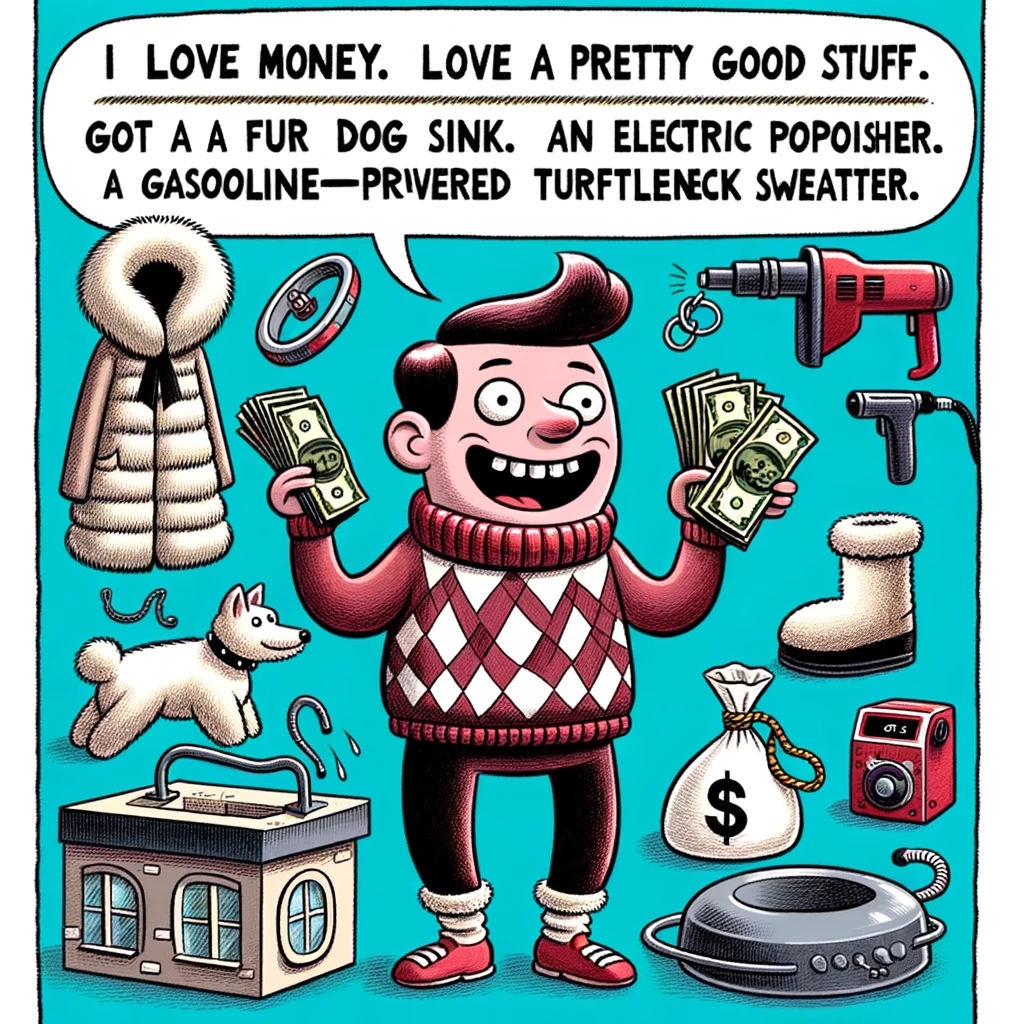
This absurd list showcases Martin’s knack for surreal humor.
Martin exaggerates his love for money by listing ridiculous, fictional purchases. The humor lies in the extravagance and absurdity of the items, each more ludicrous than the last. It’s a playful take on consumerism and the absurdity of excessive spending.
It’s a brilliant example of his surreal, whimsical style.
“I think I did pretty well, considering I started out with nothing but a bunch of blank paper.”

This joke reflects on Martin’s career and creative process.
Martin humorously downplays his success by attributing it to starting with “nothing but a bunch of blank paper.” The humor comes from the understatement and the simplicity of the statement, highlighting his journey from humble beginnings. It’s an inspiring and self-deprecating comment on creativity.
It’s a modest reflection on his achievements.
“I like a girl with a mind, but when it comes to body, I usually prefer a body.”
This joke plays with the expectations of valuing intelligence over physical appearance.
Martin sets up the expectation of praising intelligence, only to twist it by expressing a preference for physicality. The humor lies in the abrupt shift and the subversion of a common sentiment. It’s a cheeky, unexpected punchline that highlights his playful humor.
It’s a clever twist on a familiar phrase.
“There is no ‘I’ in ‘Team,’ but there is an ‘I’ in ‘Pie,’ and there is an ‘I’ in ‘Meat Pie,’ and meat is an anagram of team.”
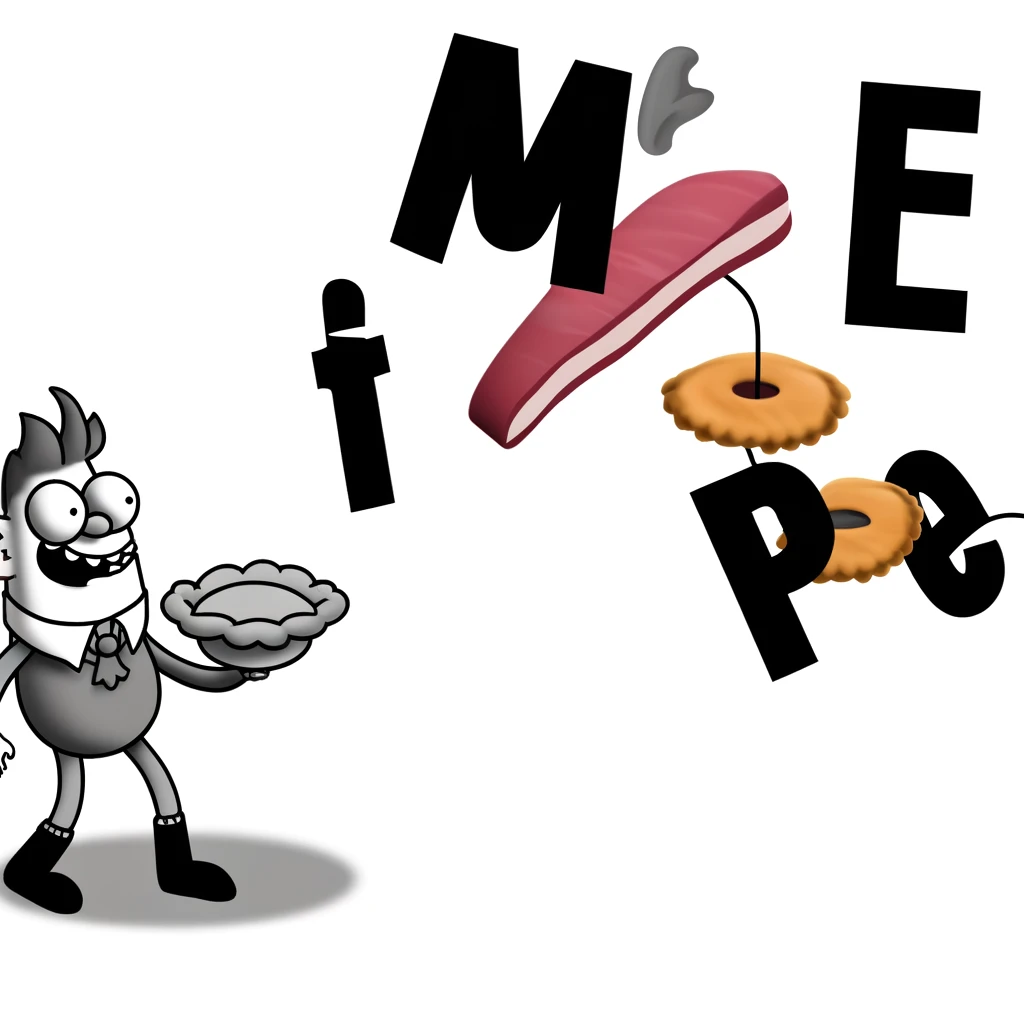
This joke is a convoluted play on words.
Martin starts with a common motivational saying and then humorously complicates it with a series of linguistic observations. The humor lies in the complexity and the absurdity of the connections he makes. It’s a fun, intellectual twist on a familiar phrase.
It’s a perfect example of his love for wordplay.
“I used to be an atheist until I realized I was God.”

This joke combines religious themes with self-deprecating humor.
Martin humorously claims a divine status to illustrate the shift from atheism to a humorous form of self-worship. The punchline is unexpected and plays with the concept of belief and identity. It’s a clever, provocative joke that highlights his ability to tackle big themes with humor.
It’s a bold, witty take on religion and self-perception.
“I’m tired of wasting letters when punctuation will do, period.”
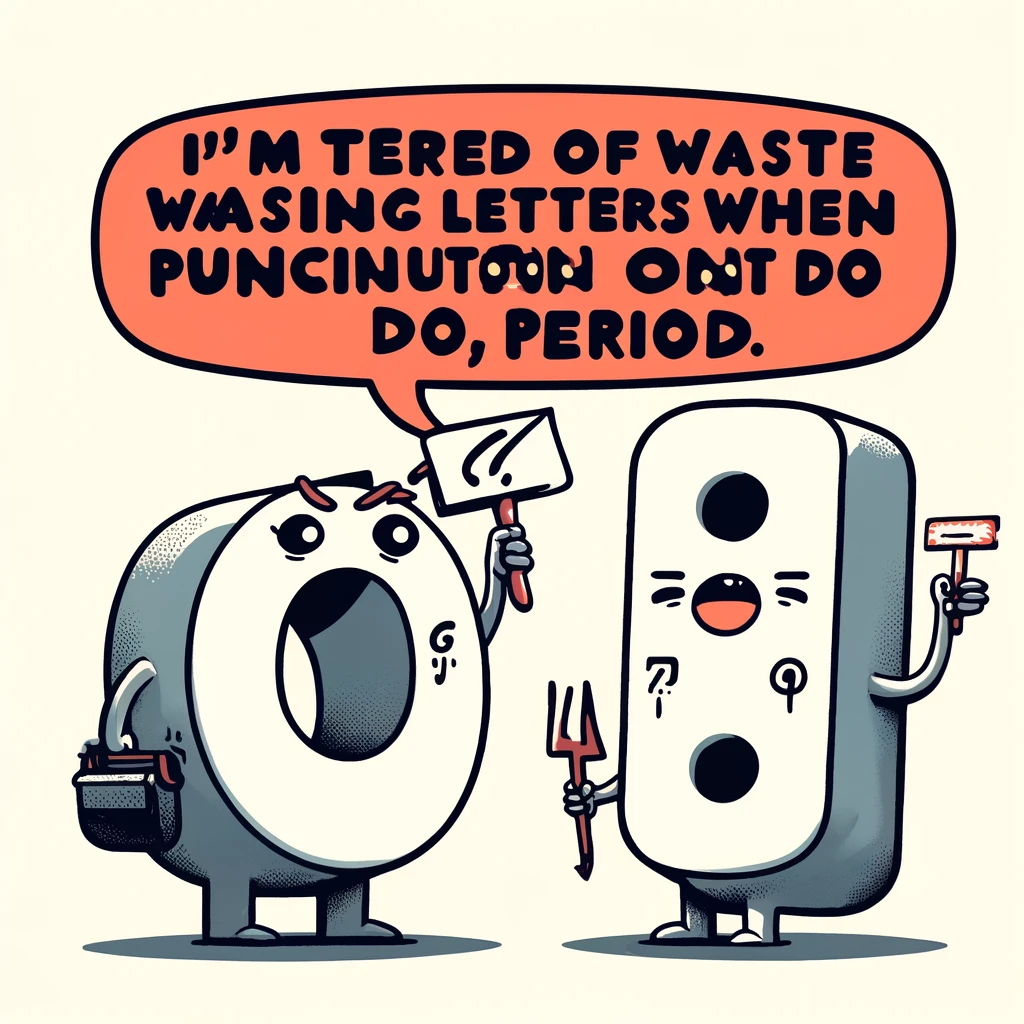
This joke humorously addresses efficiency in communication.
Martin uses the concept of efficiency in writing to make a point about brevity. The humor lies in the clever use of the word “period” both as a punctuation mark and as the end of the sentence. It’s a smart, linguistic joke that highlights his attention to language.
It’s a witty comment on the economy of words.
“I’ve got to keep breathing. It’ll be my worst business mistake if I don’t.”
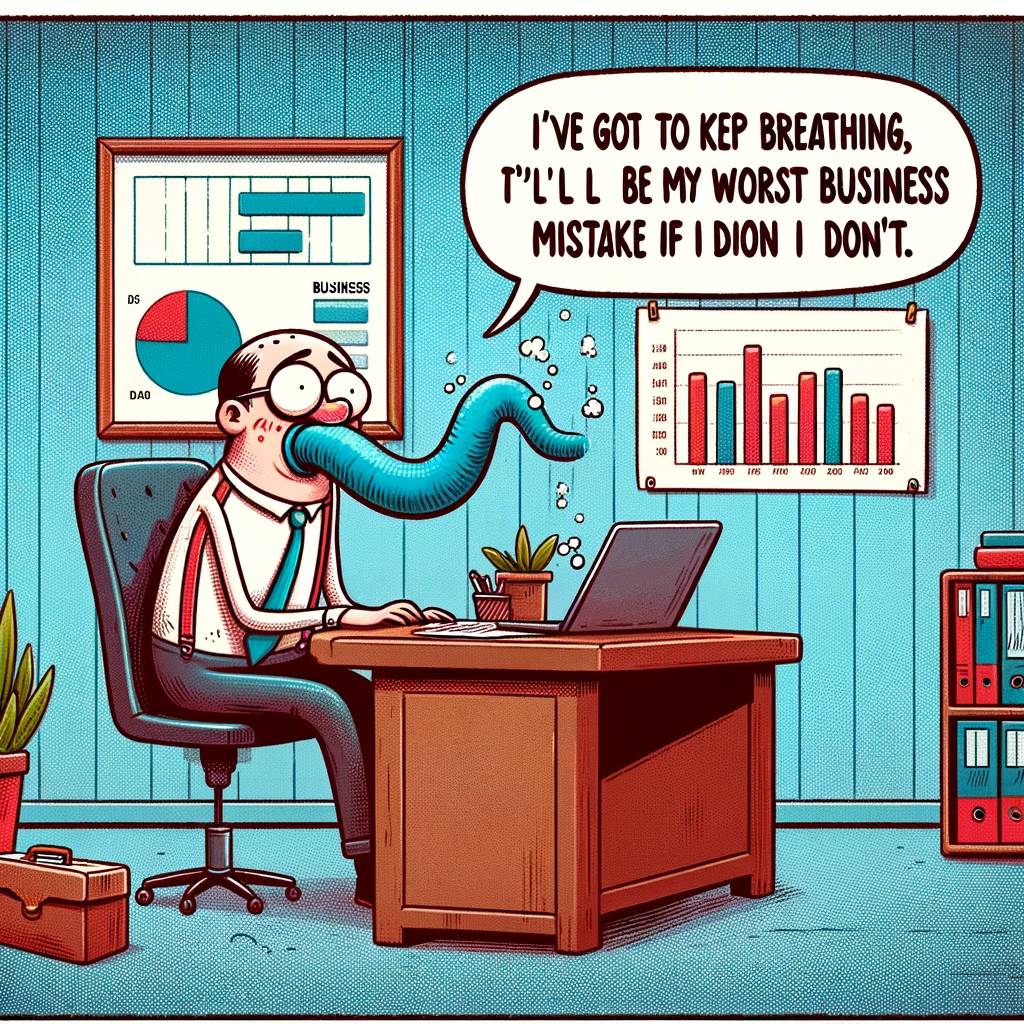
This joke humorously underscores the necessity of staying alive.
Martin turns a basic survival instinct into a business decision, adding a layer of absurdity. The humor comes from the unexpected comparison and the deadpan delivery. It’s a lighthearted take on the importance of breathing.
It’s a simple yet effective example of his absurdist humor.
“You can be a millionaire and never pay taxes! You say, ‘Steve, how can I be a millionaire and never pay taxes?’ First, get a million dollars.”
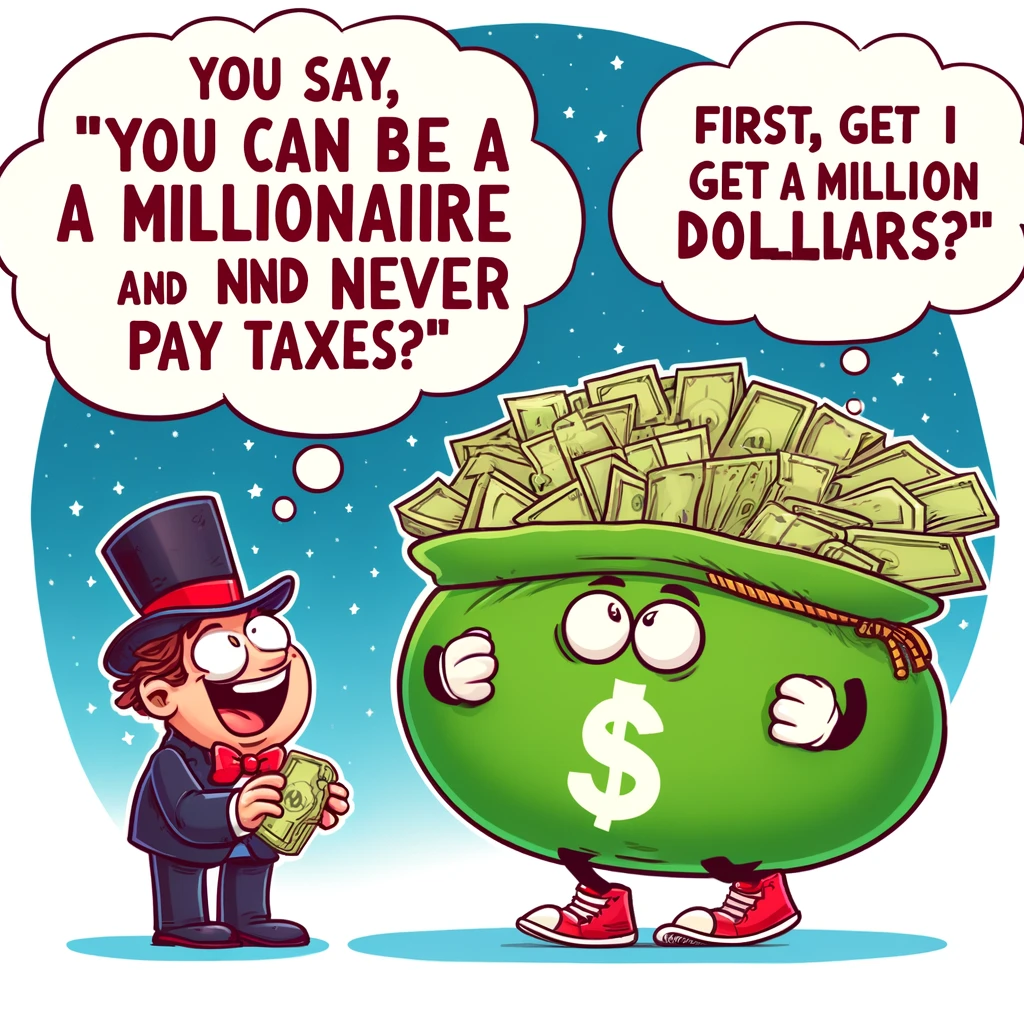
This joke humorously simplifies financial advice.
Martin presents a seemingly straightforward solution to avoiding taxes, only to highlight the obvious step of acquiring wealth first. The humor lies in the simplicity and the twist on common financial advice. It’s a clever, satirical comment on the obsession with wealth.
It’s a humorous take on financial aspirations.
“Well, excuuuuuuuse me!”

This iconic catchphrase became a signature of Martin’s stand-up persona.
Martin’s exaggerated delivery and timing make this phrase memorable and humorous. The humor lies in the over-the-top expression of mock indignation. It’s a perfect example of his ability to create humor through performance and repetition.
It’s an iconic catchphrase that highlights his comedic style.


