

Hiking and Walking are not just simple forms of exercise; they are gateways to a healthier, more vibrant life, especially for Boomers.
The Benefits of hiking and walking become more apparent as we age, maintaining physical activity becomes crucial for our overall well-being, and these activities offer a low-impact yet highly effective way to stay fit. Whether you prefer a leisurely stroll through the neighborhood or an adventurous hike in the mountains, the benefits are plentiful and varied.
From enhancing cardiovascular health to improving mental clarity, walking and hiking provide numerous advantages that cater to the unique needs of Baby Boomers.
In addition to the physical benefits, walking and hiking offer a chance to connect with nature and foster social connections. These activities can be enjoyed alone for some peaceful, reflective time or with friends and family for a more engaging experience.
In our fast-paced world, taking the time to walk or hike can help us slow down, appreciate our surroundings, and stay grounded. As we delve into the top 10 benefits of walking and hiking for Baby Boomers, you’ll discover why these simple yet powerful activities should be a staple in your routine.
1. Improved Cardiovascular Health from Hiking for Baby Boomers

Walking and hiking can significantly improve cardiovascular health.
Regular walking strengthens the heart and reduces the risk of heart disease. It also helps lower blood pressure and cholesterol levels. Engaging in these activities can lead to a longer, healthier life.
Consistent cardiovascular exercise promotes better circulation. It reduces the risk of stroke and other cardiovascular issues. Walking and hiking can be done at your own pace, making it easy to start and maintain.
Maintaining cardiovascular health is crucial for overall well-being.
2. Enhanced Mental Health

Walking and hiking are excellent for mental health and emotional well-being.
These activities reduce stress levels and promote relaxation. Spending time in nature can alleviate symptoms of depression and anxiety. The rhythmic motion of walking can have a meditative effect.
Being outdoors boosts mood and provides a sense of calm. Regular walking increases the release of endorphins, the body’s natural mood enhancers. Hiking can also provide a sense of accomplishment and boost self-esteem.
Improving mental health enhances overall quality of life.
3. Better Joint Health

Walking and hiking are low-impact activities that are gentle on the joints.
These exercises help keep the joints flexible and reduce stiffness. Regular movement can alleviate symptoms of arthritis and prevent joint pain. Walking on different terrains during hikes strengthens muscles around the joints.
Improved joint health can lead to better mobility and independence. It also reduces the risk of injuries from falls. Walking is an ideal way to stay active without putting undue stress on the joints.
Maintaining joint health is essential for staying active and independent.
4. Weight Management

Walking and hiking are effective ways to manage and maintain a healthy weight.
These activities burn calories and increase metabolism. Regular walking can help prevent weight gain and promote weight loss. Hiking, especially on varied terrains, provides a more intense workout.
Weight management reduces the risk of chronic diseases. It also improves overall physical fitness and energy levels. Walking is a simple way to incorporate more physical activity into daily life.
Managing weight is key to overall health and longevity.
5. Enhanced Flexibility and Balance

Regular walking and hiking improve flexibility and balance.
These activities engage different muscle groups and enhance coordination. Walking on uneven terrain during hikes helps develop better balance. Flexibility exercises, such as stretching before and after walks, further improve range of motion.
Better balance reduces the risk of falls and injuries. Improved flexibility enhances overall movement and physical capability. Consistent walking can help maintain and even improve these abilities over time.
Enhancing flexibility and balance contributes to a safer and more active lifestyle.
6. Increased Bone Density
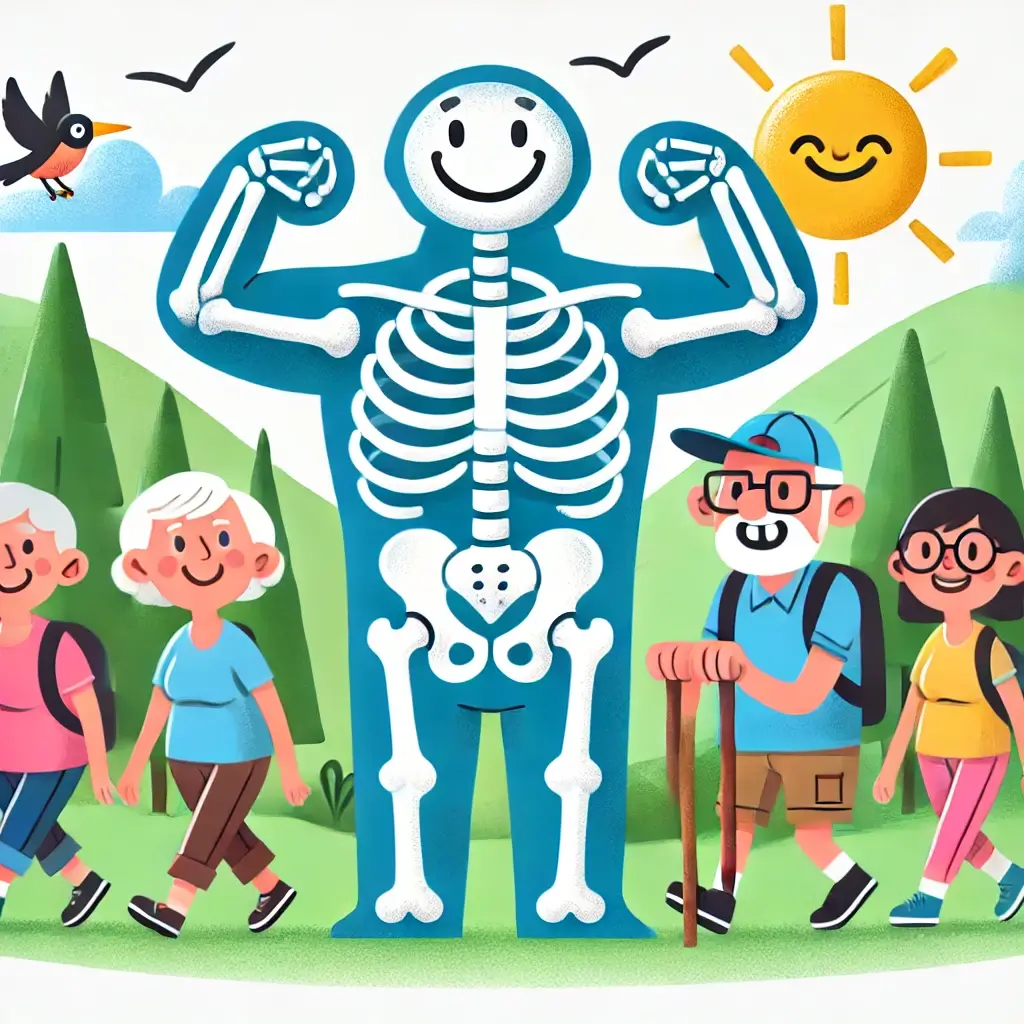
Walking and hiking help maintain and improve bone density.
Weight-bearing exercises like walking stimulate bone growth. This is particularly important for preventing osteoporosis. Hiking, with its varied intensity, provides an added benefit for bone health.
Maintaining bone density reduces the risk of fractures. It also supports overall skeletal strength. Regular walking is an easy way to incorporate bone-strengthening exercise into your routine.
Stronger bones support better overall health and resilience.
7. Social Interaction

Walking and hiking offer opportunities for social interaction and community building.
Joining walking clubs or hiking groups fosters social connections. These activities can be enjoyed with friends, family, or neighbors. Social interaction enhances mental health and reduces feelings of loneliness.
Group activities provide motivation and accountability. They also make walking and hiking more enjoyable and fulfilling. Building social bonds through these activities can lead to long-lasting friendships.
Engaging in social activities improves mental and emotional well-being.
8. Cognitive Benefits

Walking and hiking have been shown to enhance cognitive function.
These activities increase blood flow to the brain, promoting brain health. Regular walking can improve memory and cognitive skills. Nature walks provide mental stimulation and reduce cognitive decline.
Engaging in outdoor activities also boosts creativity and problem-solving abilities. Consistent walking helps maintain overall brain health. It can also reduce the risk of cognitive diseases such as dementia.
Maintaining cognitive health is vital for overall well-being.
9. Better Sleep Quality

Walking and hiking can improve sleep quality and duration.
Regular physical activity helps regulate sleep patterns. It reduces symptoms of insomnia and promotes deeper, more restful sleep. Being outdoors in natural light also helps regulate the body’s circadian rhythm.
Improved sleep leads to better overall health and well-being. It enhances mood, energy levels, and cognitive function. Walking in the evening can help relax the body and mind, preparing you for a good night’s sleep.
Better sleep quality contributes to overall health and daily functioning.
10. Increased Longevity

Walking and hiking are linked to increased longevity and a higher quality of life.
Regular physical activity promotes overall health and reduces the risk of many chronic diseases. It supports physical, mental, and emotional well-being. Consistently staying active leads to a longer, healthier life.
Engaging in these activities regularly helps maintain independence. It also enhances the ability to enjoy daily activities and hobbies. Walking and hiking are sustainable ways to stay active well into older age.
Increased longevity leads to a more fulfilling and enjoyable life.
Walking and hiking provide numerous benefits that contribute to a healthier, happier life for Baby Boomers.


