
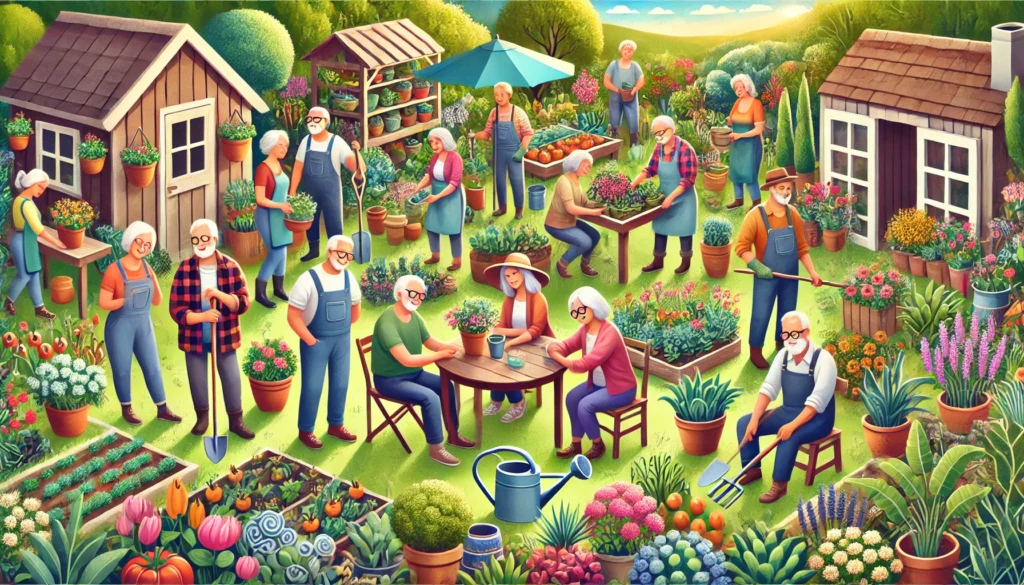
Gardening is more than just a hobby; it’s a wonderful activity that provides numerous benefits, especially for Baby Boomers.
As a generation known for their vibrant lifestyles, Baby Boomers can find gardening a rewarding way to stay physically active, reduce stress, and enjoy fresh, home-grown produce. Whether tending to flowers or cultivating a vegetable garden, this pastime offers a unique blend of physical, mental, and emotional advantages.
In this blog post, we’ll explore ten great benefits of gardening, highlighting how this simple yet fulfilling activity can enhance Baby Boomers’ well-being and quality of life.
1. Physical Exercise
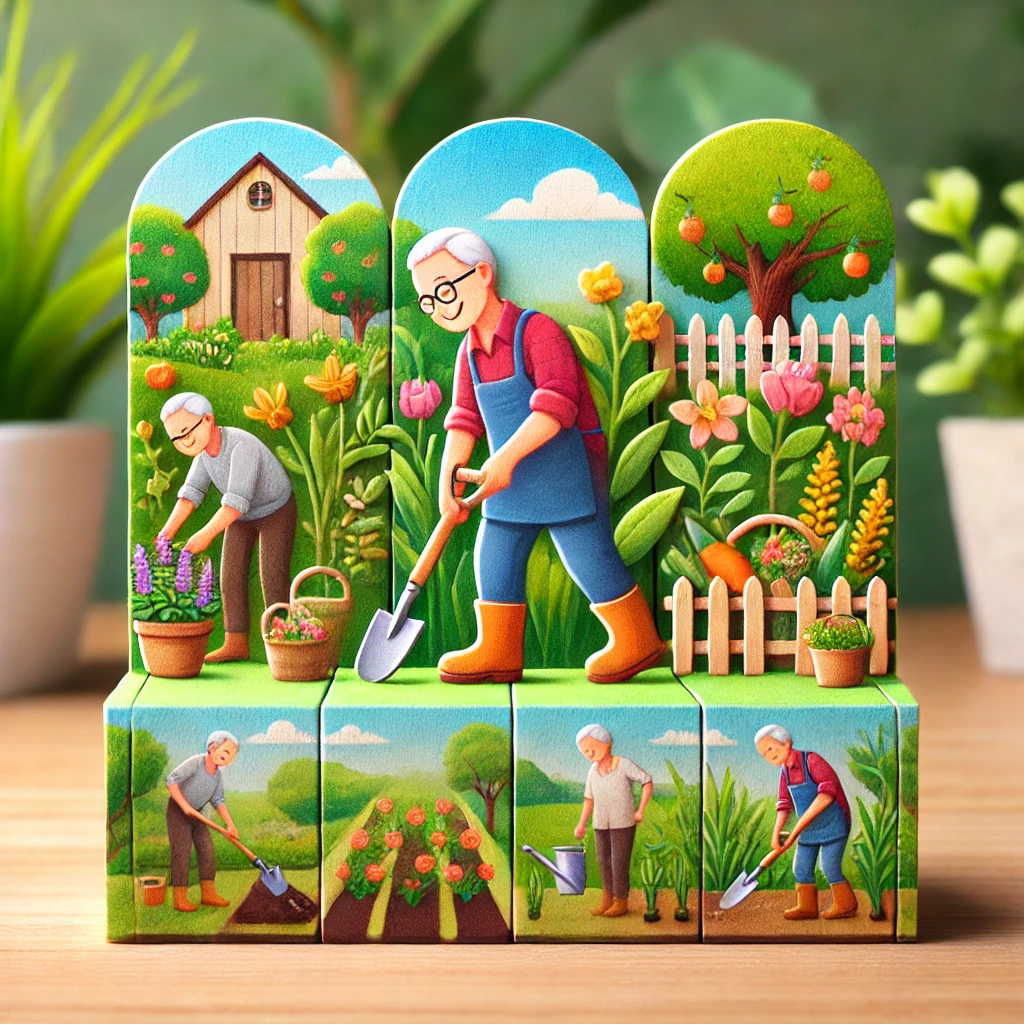
Gardening provides a good source of physical exercise.
The various tasks involved, such as digging, planting, and weeding, engage multiple muscle groups. Gardening activities help maintain strength, flexibility, and endurance. Regular gardening can contribute to overall physical fitness.
Exercise from gardening promotes cardiovascular health. It helps manage weight and improves mobility. Gardening can be adapted to different fitness levels, making it accessible to most Boomers.
Physical exercise is essential for maintaining health and vitality.
2. Stress Reduction
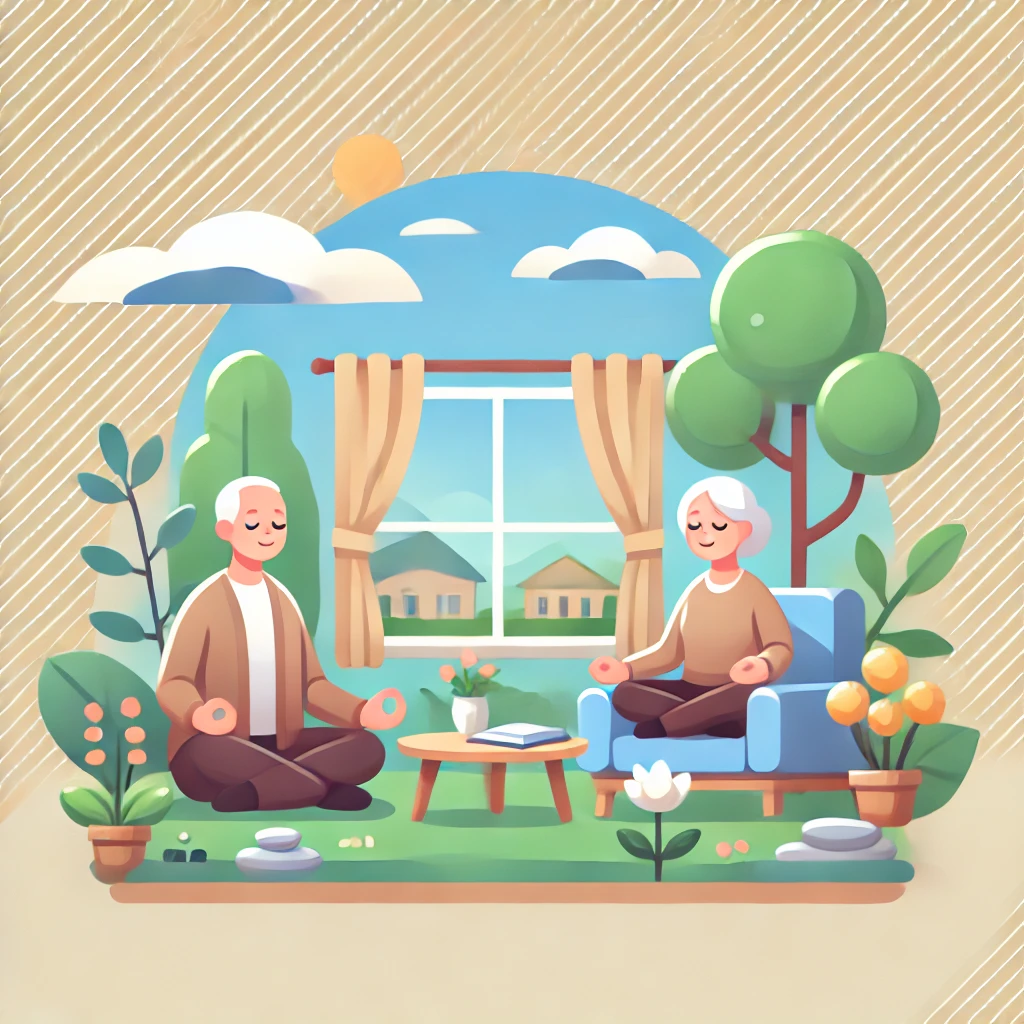
Gardening is excellent for reducing stress and promoting relaxation.
The act of tending to plants and being in nature has a calming effect. Gardening provides a break from daily stresses and worries. The repetitive, mindful activities involved can be meditative.
Spending time outdoors boosts mood and reduces anxiety. Gardening helps improve mental clarity and emotional well-being. The satisfaction of seeing plants grow and thrive adds to the stress-relief benefits.
Stress reduction is vital for mental and emotional health.
3. Improved Mental Health

Gardening offers significant mental health benefits.
Engaging with nature and nurturing plants can alleviate symptoms of depression and anxiety. The sensory experience of gardening, including sight, smell, and touch, enhances mental well-being. Regular gardening promotes a sense of accomplishment and purpose.
Gardening activities provide a positive focus and distraction from negative thoughts. The physical activity involved boosts endorphin levels. Interacting with nature can foster a sense of peace and happiness.
Improving mental health enhances overall quality of life.
4. Better Nutrition

Gardening can improve nutrition by providing fresh, home-grown produce.
Growing your own fruits and vegetables ensures access to fresh, organic food. Gardening encourages healthier eating habits and a balanced diet. The physical activity involved in gardening also promotes a better appetite.
Home-grown produce is often more nutritious than store-bought options. Gardening allows control over the use of pesticides and fertilizers. Harvesting your own food is satisfying and promotes better eating habits.
Better nutrition supports overall health and well-being.
5. Enhanced Flexibility and Strength

Gardening helps improve flexibility and build strength.
The various movements involved in gardening, such as bending, stretching, and lifting, enhance flexibility. Regular gardening activities strengthen muscles and improve endurance. Gardening keeps the body active and agile.
Improved flexibility and strength reduce the risk of injuries. These physical benefits support better posture and balance. Gardening can help maintain physical capabilities and independence.
Maintaining flexibility and strength is crucial for overall physical health.
6. Social Interaction

Gardening provides opportunities for social interaction and community engagement.
Joining a community garden or gardening club fosters social connections. Sharing gardening tips and experiences enhances social bonds. Gardening with others can be motivating and enjoyable.
Social interaction through gardening reduces feelings of isolation. It provides a sense of belonging and community. Engaging in shared gardening activities can lead to long-lasting friendships.
Social activities improve mental and emotional well-being.
7. Cognitive Benefits

Gardening has been shown to enhance cognitive function.
The planning and problem-solving involved in gardening stimulate brain activity. Regular gardening can improve memory and cognitive skills. Engaging in gardening tasks keeps the mind active and sharp.
Gardening provides mental stimulation and creativity. It helps maintain cognitive health and reduces the risk of cognitive decline. The focus required for gardening activities promotes mindfulness and mental clarity.
Maintaining cognitive health is vital for overall well-being.
8. Improved Immune System

Gardening can boost the immune system through regular exposure to the outdoors.
Spending time in nature and fresh air enhances immune function. Sunlight exposure while gardening helps the body produce vitamin D. Physical activity involved in gardening also supports overall health and immunity.
Improved immune function reduces the risk of illnesses. Gardening helps the body fight off infections and diseases. Regular engagement with nature promotes better overall health.
A strong immune system is essential for maintaining health.
9. Better Sleep Quality

Gardening can improve sleep quality and duration.
The physical activity and fresh air involved in gardening promote better sleep. Gardening reduces symptoms of insomnia and enhances restful sleep. The relaxation and sense of accomplishment from gardening prepare the body and mind for better sleep.
Improved sleep leads to better overall health. It enhances mood, energy levels, and cognitive function. Gardening in the evening can help relax the body and mind for a good night’s rest.
Better sleep quality contributes to overall health and daily functioning.
10. Increased Longevity

Gardening is linked to increased longevity and a higher quality of life.
Regular physical activity promotes overall health and reduces the risk of chronic diseases. Gardening supports physical, mental, and emotional well-being. Consistently staying active through gardening leads to a longer, healthier life.
Gardening helps maintain independence and improves the ability to enjoy daily activities. It is a sustainable way to stay active well into older age. The combination of physical and mental benefits contributes to overall life satisfaction.
Increased longevity leads to a more fulfilling and enjoyable life.
Related Posts
10 Great Benefits From Dancing For Baby Boomers
10 Tips For Better Sleep Quality For Seniors
10 Great Recreational Activities For Baby Boomers To Stay Active


