

Quality sleep is essential for overall health and well-being, especially for seniors. Here are 10 Suggestions on how to get better sleep
1. Maintain a Regular Sleep Schedule

Keeping a consistent sleep schedule helps regulate the body’s internal clock.
Going to bed and waking up at the same time each day, even on weekends, reinforces a healthy sleep-wake cycle. Consistency in sleep timing helps improve the quality of sleep. It makes it easier to fall asleep and wake up feeling refreshed.
Sticking to a regular schedule can greatly enhance sleep quality.
2. Create a Relaxing Bedtime Routine

Establishing a calming pre-sleep routine can signal the body that it’s time to wind down.
Activities such as reading a book, listening to soothing music, or taking a warm bath can help relax the mind and body. Avoiding stimulating activities like watching TV or using electronic devices is also beneficial. A relaxing routine can make it easier to transition to sleep.
Creating a bedtime routine can improve both the quality and duration of sleep.
3. Optimize the Sleep Environment

Creating a comfortable sleep environment is crucial for better sleep.
Ensuring the bedroom is cool, quiet, and dark can promote more restful sleep. Using earplugs or a white noise machine can help block out disruptive noises. Investing in a comfortable mattress and pillows tailored to individual needs can make a significant difference.
Optimizing the sleep environment can lead to more restorative sleep.
4. Limit Caffeine and Alcohol

Reducing the intake of caffeine and alcohol can improve sleep quality.
Caffeine, found in coffee, tea, and some medications, is a stimulant that can interfere with sleep. It’s best to avoid caffeine in the late afternoon and evening. Alcohol can disrupt sleep patterns and reduce the quality of sleep, even if it initially makes you feel sleepy.
Limiting these substances can lead to deeper, more restful sleep.
5. Stay Physically Active
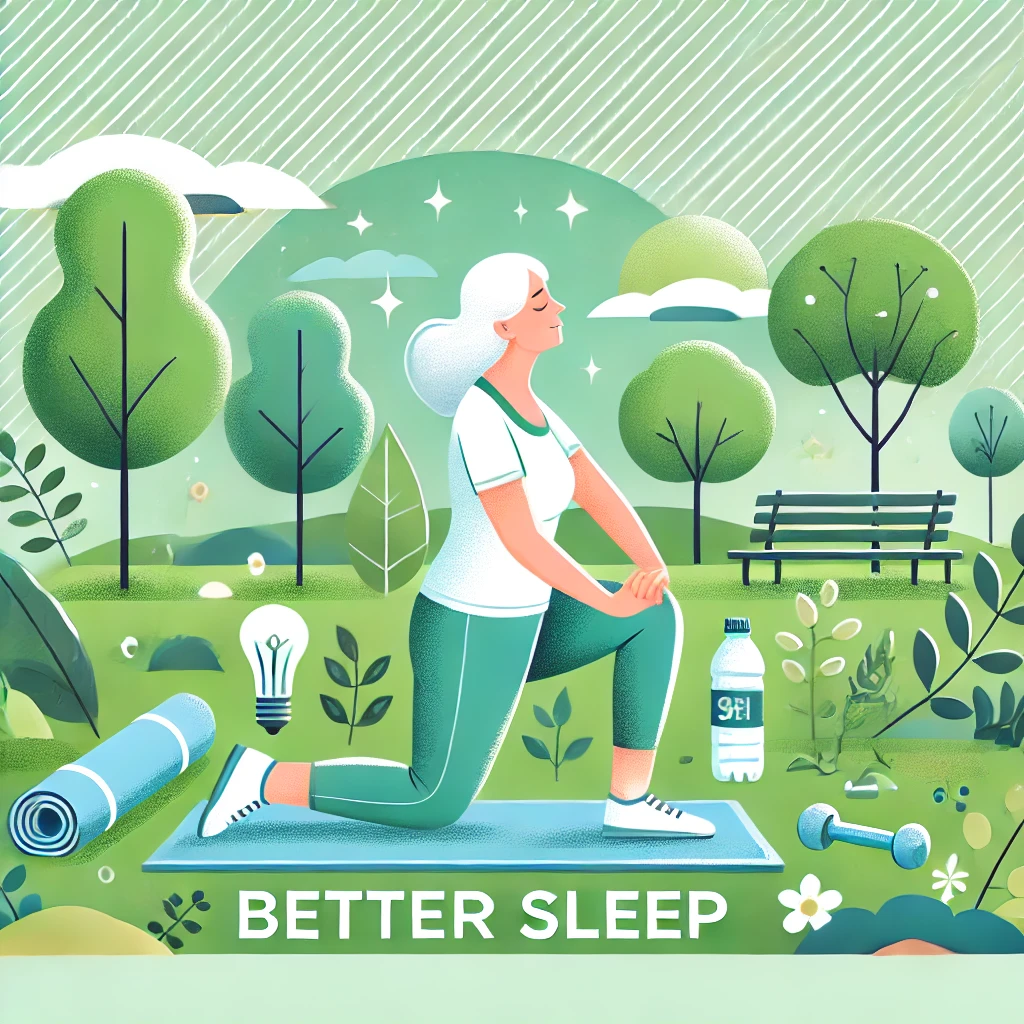
Regular physical activity can promote better sleep.
Engaging in activities such as walking, swimming, or yoga during the day can help regulate sleep patterns. Exercise reduces stress and anxiety, which are common sleep disruptors. However, it’s best to avoid vigorous exercise close to bedtime, as it can be stimulating.
Staying active can significantly enhance sleep quality.
6. Manage Stress and Anxiety

Finding ways to manage stress and anxiety can improve sleep.
Practicing relaxation techniques such as meditation, deep breathing exercises, or progressive muscle relaxation can help calm the mind before bed. Journaling or talking about worries can also be helpful. Reducing stress levels makes it easier to fall asleep and stay asleep.
Managing stress and anxiety is essential for achieving good sleep.
7. Avoid Large Meals Before Bedtime

Eating large or heavy meals close to bedtime can disrupt sleep.
It’s best to finish eating at least two to three hours before going to bed. If you’re hungry, a light snack such as a banana or a small serving of yogurt can be beneficial. Avoiding spicy or acidic foods can also prevent discomfort and indigestion at night.
Maintaining a proper eating schedule can contribute to better sleep.
8. Limit Daytime Naps

While napping can be beneficial, long or irregular naps during the day can negatively impact nighttime sleep.
If you need to nap, it’s best to limit it to 20-30 minutes and avoid napping late in the day. Short naps can provide a refreshing boost without interfering with nighttime sleep. Establishing a balance between daytime rest and nighttime sleep is crucial.
Properly managing naps can improve sleep quality at night.
9. Stay Hydrated, but Not Too Much

Staying hydrated is important, but drinking too much liquid in the evening can cause frequent trips to the bathroom.
It’s best to drink most of your fluids earlier in the day. Limiting fluid intake in the evening can help reduce disruptions during the night. Staying hydrated throughout the day supports overall health and well-being.
Balancing hydration can prevent sleep disturbances.
10. Seek Professional Advice

If sleep problems persist, it’s important to seek professional advice.
A healthcare provider can help identify underlying issues that may be affecting sleep, such as sleep apnea or restless leg syndrome. They can also recommend appropriate treatments or lifestyle changes. Sometimes, a sleep study might be necessary to diagnose specific sleep disorders.
Seeking professional advice ensures that sleep issues are properly addressed.
Recreation Activities for Better Sleep Quality
In addition to the tips above, engaging in regular recreational activities can further enhance sleep quality.
1. Walking and Hiking

Walking and hiking offer an accessible way to enjoy nature and stay fit.
These activities are low-impact, making them ideal for joint health. Walking and hiking can be done almost anywhere, from local parks to nature reserves. Plus, the fresh air and beautiful scenery provide a mental boost.
Walking with friends or in groups adds a social element, enhancing enjoyment. Many communities have walking clubs specifically for seniors. It’s a simple, cost-effective way to keep moving and stay healthy.
Taking regular walks or hikes can greatly improve overall well-being and promote better sleep by reducing stress and increasing physical fatigue.
2. Swimming

Swimming is another excellent option, offering a full-body workout that’s gentle on the joints.
It’s perfect for improving cardiovascular health and flexibility. Swimming is low-impact, reducing the risk of injury. Many community pools offer senior-friendly classes and times.
Water aerobics classes add variety and fun to swimming routines. These classes are tailored to different fitness levels. The buoyancy of water supports the body, making exercise safer.
Swimming regularly helps maintain physical health and flexibility, leading to improved sleep quality by relaxing the muscles and reducing physical tension.
3. Golf

Golf combines mild exercise with social interaction, making it a favorite among Boomers.
The walking and swinging involved in golf provide a good workout. Golf courses often offer beautiful landscapes and fresh air. Additionally, the sport’s social aspect helps maintain strong relationships.
Many golf clubs offer senior leagues and discounted rates. Playing golf can also improve coordination and concentration. It’s a sport that can be enjoyed well into older age.
Golfing regularly can enhance physical and mental well-being, and the physical activity coupled with social interaction can promote better sleep by reducing anxiety and fostering a sense of relaxation.
Improving sleep quality can lead to better overall health and well-being for seniors.
Related Articles
10 Unconventional Methods That Will Help You Fall Asleep
10 Great Recreational Activities For Baby Boomers To Stay Active
Discover the Benefits of Pink Noise Therapy for Better Sleep


