
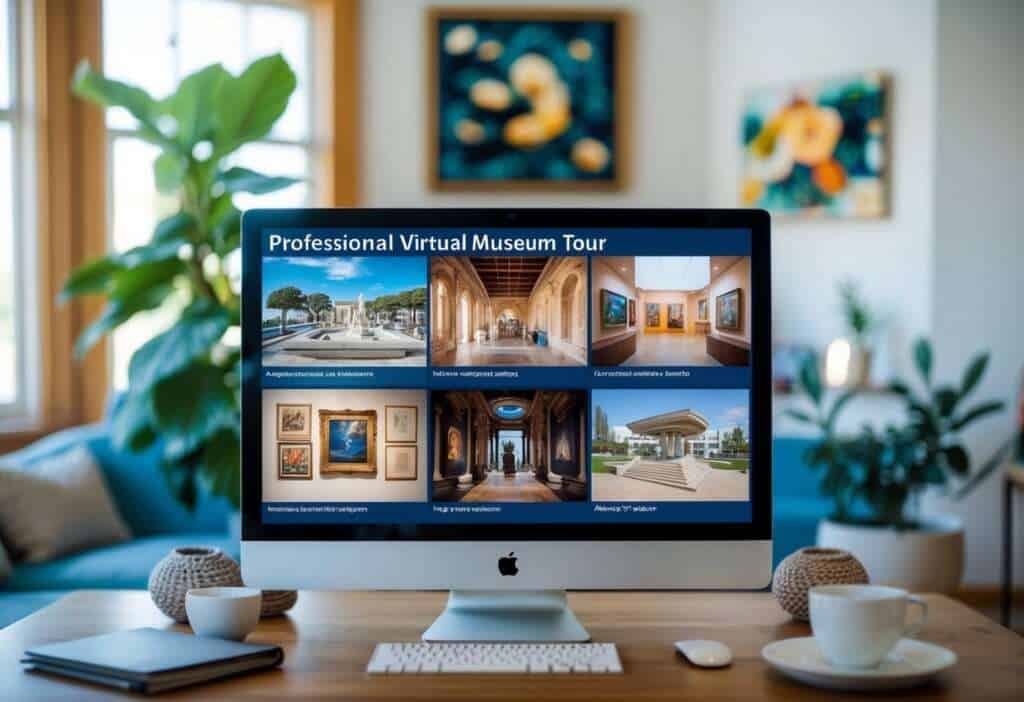
Virtual museum tours bring the world’s greatest art collections right to your living room. You can now explore famous galleries and exhibits without leaving home. These online experiences let you see masterpieces up close and learn about art history from expert curators.

Many top museums offer free virtual tours that you can enjoy anytime. The British Museum in London has over 8 million objects, with 80,000 on display virtually. You can view ancient artifacts and famous works spanning human history. The National Gallery of Art in Washington D.C. lets you explore 18 gallery rooms and enjoy panoramic views of its grand halls.
For modern art fans, the Museum of Modern Art in New York offers online exhibits of paintings, sculptures, and films. You can see Van Gogh’s Starry Night and other iconic works in stunning detail. With so many options, virtual tours make it easy to discover new artists and styles from the comfort of home.
The Evolution of Virtual Museum Tours

Virtual museum tours have changed a lot over the years. They’ve gone from simple websites to immersive digital experiences that let you explore art from home.
From Physical to Digital: The Rise of Online Exhibits
In the early days, virtual museum tours were basic. You’d see a few photos of artwork on a museum’s website. Not very exciting.
But things have improved fast. Now, virtual museum tours offer 360-degree views of gallery spaces. You can zoom in on artworks to see tiny details.
Many tours now include audio guides too. You’ll hear experts explain the history and meaning behind paintings and sculptures.
Some online exhibits even use virtual reality. Put on a headset and you’ll feel like you’re really there in the museum.
The best part? You can visit famous museums from your couch. Places like the Louvre in Paris or the Met in New York are just a click away.
Virtual tours also make art more accessible. You don’t need to travel or pay entry fees. This opens up culture to more people around the world.
Navigating the World of Art from Home
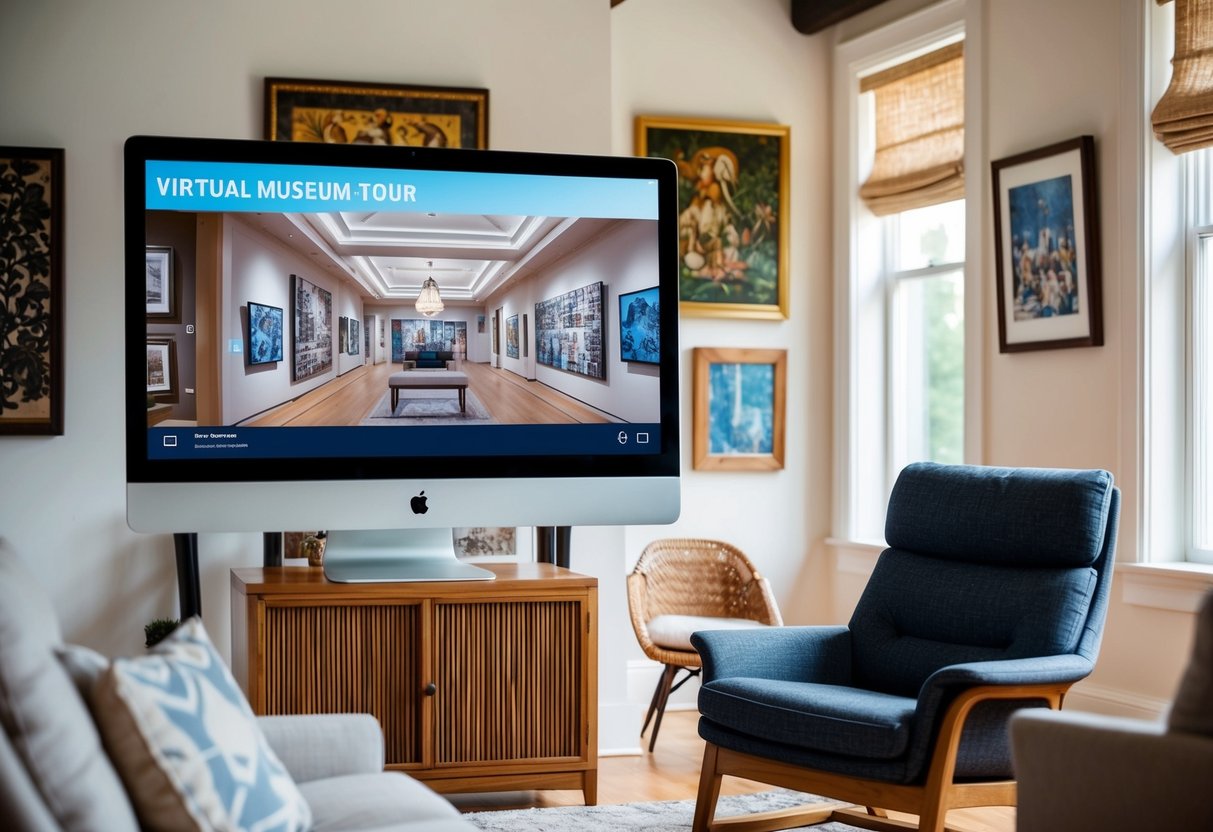
Virtual museum tours let you explore famous artworks and exhibits without leaving your house. These digital experiences bring culture right to your living room.
Understanding Virtual Reality in Art
Virtual reality (VR) has changed how you can view art from home. It gives you an immersive experience of walking through museum halls and galleries.
With VR, you can get up close to paintings and sculptures. You can examine details you might miss in person. Some tours even let you “touch” or manipulate digital versions of artworks.
VR art tours often include audio guides and information panels. These help you learn about the pieces you’re viewing. You can take your time and revisit favorite works as often as you like.
Equipment Needed for the Full Experience
To get the most out of virtual art tours, you’ll need some basic equipment. A computer or smartphone is essential for accessing online galleries.
For the best experience, a VR headset is recommended. Popular options include:
- Oculus Quest 2
- HTC Vive
- PlayStation VR
These devices fully immerse you in the virtual space. They track your head movements, letting you look around naturally.
If you don’t have a VR headset, don’t worry. Many virtual tours work well on regular screens too. Some even offer 360-degree views you can explore with your mouse or touchscreen.
Spotlight on Major Virtual Exhibitions
Virtual museum tours bring world-class art directly to your screen. You can explore priceless masterpieces and cutting-edge modern works from the comfort of your home.
The Vatican’s Masterpieces
The Vatican Museums offer an immersive online experience that lets you dive into centuries of artistic brilliance. You can marvel at Michelangelo’s awe-inspiring frescoes in the Sistine Chapel without the crowds. The virtual tour provides crystal-clear views of the intricate details in “The Creation of Adam” and other iconic scenes.
As you navigate through the Vatican’s virtual halls, you’ll encounter:
- Ancient Roman sculptures
- Renaissance paintings
- Ornate tapestries
- Precious historical artifacts
The tour’s high-resolution images allow you to zoom in and examine brushstrokes and textures up close. It’s an unparalleled way to appreciate the Vatican’s treasures at your own pace.
Modern Art and Beyond
For a contemporary twist, virtual tours of modern art museums offer exciting glimpses into the world of innovative creativity. The Van Gogh Museum in Amsterdam provides an in-depth look at the post-impressionist master’s life and works. You can examine Van Gogh’s bold brushstrokes and vivid colors in stunning detail.
The Museu de Arte de São Paulo showcases a diverse collection of Brazilian and international modern art. Its virtual tour lets you:
- Explore thought-provoking installations
- View abstract paintings
- Discover emerging artists
These online exhibitions make cutting-edge art accessible to everyone, regardless of location. You can expand your artistic horizons and gain new perspectives on contemporary creativity from anywhere in the world.
Key Features of Virtual Museum Interfaces
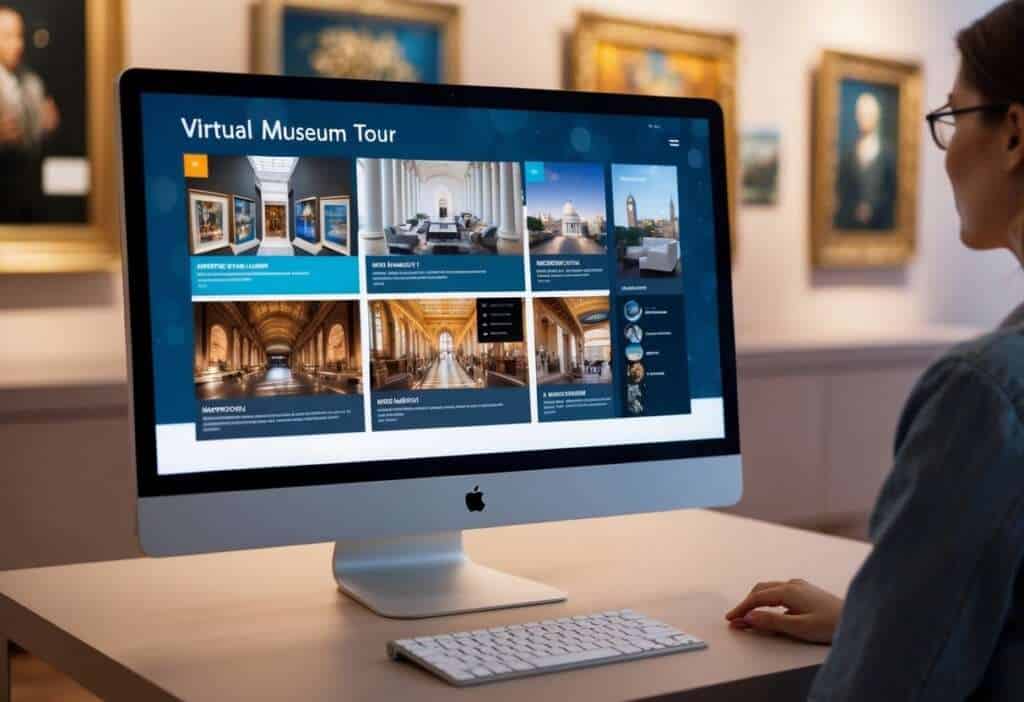
Virtual museum tours offer exciting ways to explore art and culture from home. They use special tools to make the experience feel real and fun.
The Role of Google Arts & Culture
Google Arts & Culture is a big player in virtual museum tours. It lets you see famous artworks up close. You can zoom in to see tiny details you might miss in person.
The platform offers virtual exhibits from many museums. You can browse collections by time period, artist, or style. It’s easy to learn about art history as you explore.
Google Arts also has fun features. You can find art that looks like you or turn your photos into famous paintings.
Beyond the Screen: 360-Degree Tours and Street View
360-degree tours make you feel like you’re really there. You can look around in all directions, just like in the actual museum.
These tours often use Google’s Street View feature. It lets you “walk” through museum halls from your computer or phone. You can stop to look at art that catches your eye.
Some tours add extra info pop-ups. These tell you more about what you’re seeing. It’s like having a personal guide.
Virtual wander features let you explore at your own pace. You choose where to go and what to see next.
Diverse Collections at Your Fingertips

Virtual museum tours open up a world of art and artifacts from different eras and cultures. You can explore ancient treasures and modern masterpieces with just a few clicks.
Exploring History and Cultures
The British Museum’s virtual tour lets you wander through the Great Court and discover Egyptian antiquities. You can examine the Rosetta Stone up close, seeing details you might miss in person.
Many museums offer 360-degree views of their galleries. This allows you to take in entire rooms of art at once.
Virtual tours often include zooming features. You can get incredibly close to brush strokes and textures of famous paintings.
Some tours offer audio guides. These give you expert insights into the history and meaning of artworks.
Contemporary Works and Their Creators
The National Gallery of Victoria provides virtual access to modern and contemporary art. You can view works by cutting-edge artists from around the world.
Many virtual tours include artist interviews. These give you a chance to hear directly from contemporary creators about their work.
Some museums offer virtual reality experiences. These let you “step into” artworks for a truly immersive experience.
Interactive features often accompany contemporary exhibits. You might be able to create your own digital artwork inspired by what you see.
Virtual tours make it easy to compare different artists’ styles. You can quickly move between galleries to spot trends and influences.
Impactful Art Movements Illustrated Online
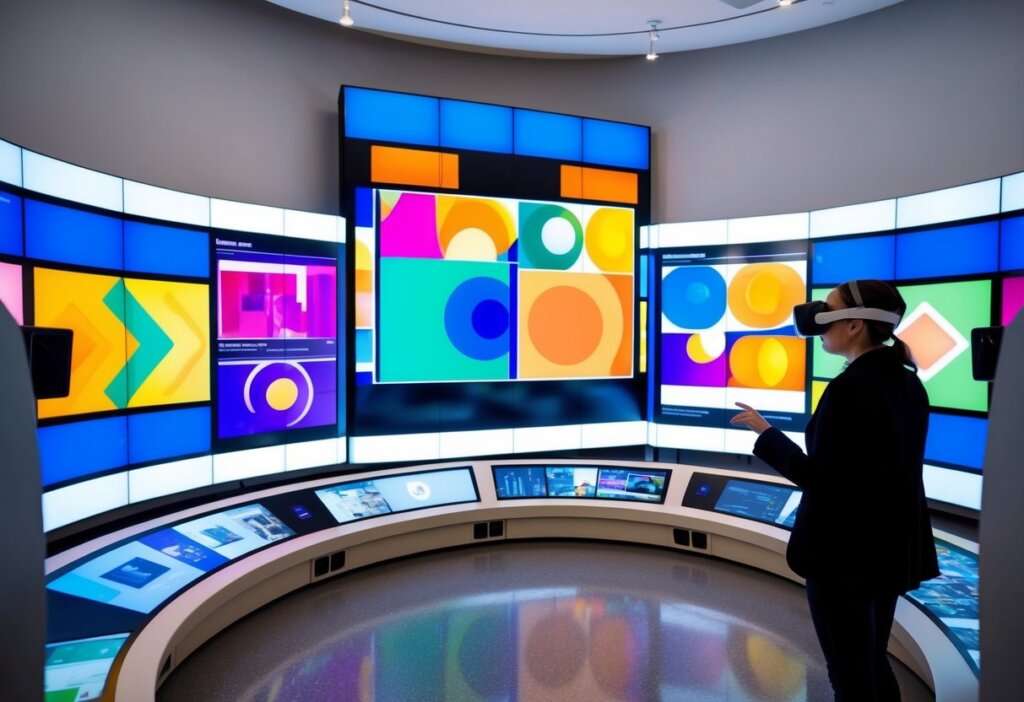
Virtual museum tours bring famous art movements to life. You can explore masterpieces from different eras without leaving home.
European Painting and the Dutch Golden Age
European painting comes alive through online exhibits. You can view works from the Renaissance and Baroque periods up close.
The Dutch Golden Age shines in virtual galleries. You’ll see Rembrandt van Rijn’s stunning portraits and landscapes. His use of light and shadow is even more striking on your screen.
Many museums offer detailed views of paintings. You can zoom in to see brushstrokes and textures. This lets you appreciate the artists’ techniques in a new way.
Revolutionary Art and Its Online Presence
Revolutionary art movements are well-represented online. You can explore how artists pushed boundaries and challenged norms.
Virtual tours often include works from different eras side by side. This helps you see how art evolved over time. You might compare a Leonardo da Vinci painting to later works it inspired.
Some online exhibits feature interactive elements. You can learn about an artwork’s history or the artist’s process. This adds depth to your virtual museum experience.
Virtual reality tours are becoming more common. They let you feel like you’re walking through a real gallery. You can view art from different angles, just like in person.
The Social Dimension of Virtual Museums
Virtual museum tours create new ways for people to connect with art and each other online. They allow you to share experiences and discuss artwork with others from around the world.
Collaborations with Renowned Museums and Galleries
Many famous museums now offer virtual tours. You can explore the Uffizi Gallery in Florence from your living room. The J. Paul Getty Museum lets you view its collection online too.
These collaborations bring priceless artworks to your screen. You can zoom in on details you might miss in person. Audio guides and expert commentary enhance your experience.
Virtual tours make rare exhibits more accessible. You can “visit” multiple museums in different countries in one day. This opens up new possibilities for art lovers and students.
Engaging with Art through Social Media
Social media platforms help you connect with art in new ways. You can join live tours on Instagram or Facebook. Museums post behind-the-scenes content and artist interviews.
Virtual exhibitions encourage you to share your thoughts. You can discuss artwork with people worldwide. This creates a global community of art enthusiasts.
Many museums host online events and challenges. You might recreate famous paintings at home or attend a virtual lecture. These activities keep you engaged with art from anywhere.
Social media also allows direct interaction with curators and artists. You can ask questions and gain deeper insights into artworks and exhibitions.
Helpful Resources and Tips for Art Enthusiasts

Virtual museum tours offer amazing ways to explore art from home. You can find many tools to boost your art knowledge and make the most of online exhibitions.
Educational Material and Detailed Descriptions
Many virtual tours come with high-resolution imagery and interactive content. Look for tours that offer audio guides or text descriptions of artworks. These can give you deeper insights into each piece.
Some museums provide downloadable educational materials. You can use these to learn more about art history and techniques. Check if virtual tours have zoom features. This lets you see fine details in paintings or sculptures.
Try taking notes during your tour. Write down artists or styles you want to learn more about later. This helps you build your art knowledge over time.
Making the Most of Free Access and Special Exhibitions
Many top museums offer free virtual tours. Take advantage of this to explore collections you might not see in person. Keep an eye out for special online exhibitions too.
Set aside time for your virtual visits. Treat them like real museum trips. This helps you focus and enjoy the art fully. Consider joining online discussions or webinars about exhibitions you’ve seen.
Some museums have virtual reality options. If you have VR gear, these can make your tour feel more lifelike. Don’t rush through tours. Take breaks to avoid digital fatigue and enjoy each artwork.
Frequently Asked Questions

Virtual museum tours use different technologies and platforms to bring art into homes. Many institutions offer free access to their digital collections for education and enjoyment. Some tours even use virtual reality for immersive experiences.
What technology is used for virtual museum tours?
Virtual museum tours often use high-resolution images and 360-degree photography. Some tours incorporate video content or interactive elements. Advanced tours may use virtual reality (VR) technology for a more immersive experience.
Are there any virtual museum tours available for educational purposes?
Yes, many museums offer virtual tours specifically for education. These tours often include supplementary materials like lesson plans and interactive activities. Teachers can use these resources to enhance art education in the classroom.
Which museums offer the best virtual reality experiences?
The Louvre in Paris and the British Museum in London offer top-notch VR tours. These tours let you explore famous artworks and artifacts in detail. The Metropolitan Museum of Art also provides an extensive virtual experience with over 406,000 high-resolution images.
How can I access free virtual museum tours?
Many museums offer free virtual tours on their websites. You can also find a wide selection of free tours on Google Arts & Culture. This platform collaborates with over 2,500 museums and exhibits worldwide.
What are the limitations of virtual museum tours compared to in-person visits?
Virtual tours can’t fully replicate the atmosphere of a physical museum. You might miss out on the scale and texture of artworks. Some tours may have limited interactivity or lower image quality. Technical issues like slow internet can also impact the experience.
How can virtual museum tours enhance the experience of art from home?
Virtual tours allow you to explore art at your own pace. You can zoom in on details you might miss in person. Many tours offer additional information about artworks and artists. You can also visit multiple museums from different countries in a single day, expanding your art knowledge.


