

The Baby Boomer generation grew up in a time of significant cultural change, and the books they read as children and teenagers reflected and influenced these shifts. These books were more than just stories; they were companions, guides, and sometimes even catalysts for change. In this blog post, we’ll explore how the Boomer generation viewed these ten books and how they affected the times, shaping not only individual lives but also the broader cultural landscape.
1. To Kill a Mockingbird by Harper Lee
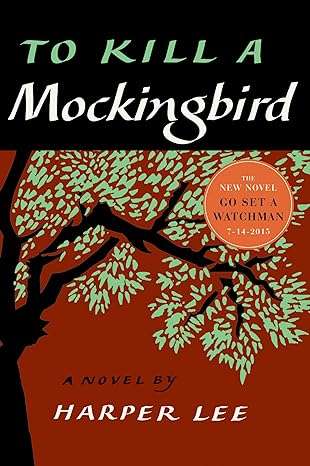
Published: 1960
Harper Lee’s classic novel tackles themes of racial injustice and moral growth. Through the eyes of young Scout Finch, readers experience the racially charged atmosphere of the South. The trial of Tom Robinson becomes a central event that exposes the deep-seated prejudices of the time. Scout’s father, Atticus Finch, stands as a moral beacon, defending Robinson despite societal pressures.
For many Boomers, this book was their first real look at the complexities of racial injustice. It wasn’t just a story; it was a lesson in empathy and understanding. The characters of Scout and Jem, with their youthful innocence, helped readers process these heavy themes. Atticus Finch’s unwavering integrity became a moral compass for many.
The novel’s impact was amplified by its publication during the Civil Rights Movement, making its themes particularly resonant for Boomers. The call for empathy and justice in the face of adversity struck a chord with many readers. The lessons of understanding and standing up for what is right became a formative part of many young readers’ moral education.
Reading this book during the Civil Rights Movement made its themes especially relevant. The novel’s call for empathy resonated with readers facing similar societal challenges. Its portrayal of moral courage and the fight for justice inspired many to reflect on their own beliefs and actions.
Key Points:
- Themes: Racial injustice, moral growth, empathy
- Setting: Maycomb, Alabama, during the 1930s
- Impact: Influenced readers’ views on empathy and justice during the Civil Rights Movement
Read it again. Buy it here.
2. The Catcher in the Rye by J.D. Salinger
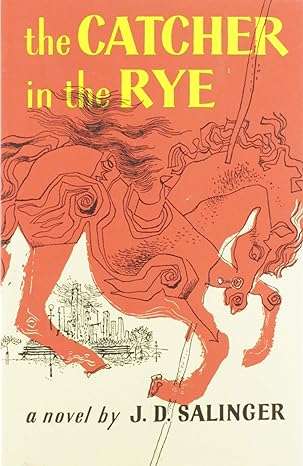
Published: 1951
J.D. Salinger’s novel dives into the teenage mind with Holden Caulfield, a character who feels alienated and misunderstood. Wandering through New York City, Holden’s cynical yet sensitive outlook on life struck a chord with many young readers. His quest for authenticity in a world he sees as “phony” made him a relatable and enduring figure.
For Boomers, Holden’s rebellious spirit and search for meaning mirrored their own struggles during a time of social upheaval. The book’s candid exploration of teenage angst and mental health issues was groundbreaking. It gave voice to feelings that many young readers were grappling with but didn’t know how to express.
The novel’s raw portrayal of a teenager’s inner turmoil resonated deeply with its readers. It wasn’t just about Holden’s journey; it was about their own. The book became a symbol of youthful rebellion and the search for identity, influencing countless Boomers in their formative years.
Holden’s story inspired many to question societal norms and seek authenticity in their lives. The novel’s enduring popularity speaks to its powerful impact on multiple generations, but it holds a special place in the hearts of Boomers who found solace and understanding in its pages.
Key Points:
- Themes: Teenage angst, alienation, authenticity
- Setting: New York City
- Impact: Became a symbol of youthful rebellion and the search for identity
Read it again. Buy it here.
3. Charlotte’s Web by E.B. White
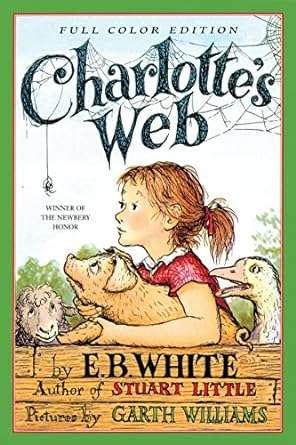
Published: 1952
E.B. White’s beloved children’s book tells the heartwarming story of a pig named Wilbur and his friendship with a spider named Charlotte. Set on a farm, the narrative explores themes of friendship, loyalty, and the cycle of life. Charlotte’s clever web messages save Wilbur from being slaughtered, demonstrating the power of words and kindness.
For Boomers, “Charlotte’s Web” was a touching and memorable read during their childhood. The bond between Wilbur and Charlotte exemplified true friendship and sacrifice, lessons that resonated deeply. The book’s gentle handling of life and death helped young readers understand these concepts in a meaningful way.
The simplicity and charm of the story, combined with its profound themes, made “Charlotte’s Web” a timeless classic. Boomers often recall it as one of their first introductions to the beauty and sadness of life. The book’s ability to evoke strong emotions and teach valuable lessons made it a staple in many households.
Many Boomers remember reading this book with their parents or teachers, creating lasting memories. The story’s impact extended beyond the pages, influencing their understanding of friendship, compassion, and the natural world.
Key Points:
- Themes: Friendship, loyalty, life and death
- Setting: A farm
- Impact: Taught valuable lessons about friendship and the cycle of life
Read it again. Buy it here.
4. Lord of the Flies by William Golding
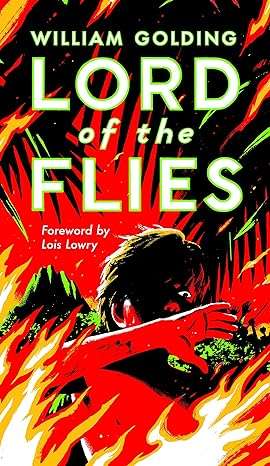
Published: 1954
William Golding’s “Lord of the Flies” is a gripping tale about a group of boys stranded on a deserted island. As their attempts to govern themselves descend into chaos, the novel explores the dark side of human nature and the breakdown of civilization. The characters’ transformation from innocent children to savages is both shocking and thought-provoking.
For Boomers, this book was a stark departure from the usual childhood adventure stories. It challenged them to think about the inherent darkness within humans and the thin veneer of societal order. The novel’s intense and sometimes disturbing scenes left a lasting impression on young readers.
“Lord of the Flies” prompted Boomers to reflect on their own behavior and the nature of authority and morality. The book’s exploration of power dynamics and group behavior was particularly relevant during a time of political and social upheaval. It encouraged readers to question the structures and norms of their own society.
The novel’s enduring themes of civilization versus savagery and the loss of innocence resonated deeply with Boomers. It became a powerful tool for discussing human nature and the potential for both good and evil within us all.
Key Points:
- Themes: Human nature, civilization vs. savagery, loss of innocence
- Setting: A deserted island
- Impact: Challenged readers to reflect on human behavior and societal order
Read it again. Buy it here.
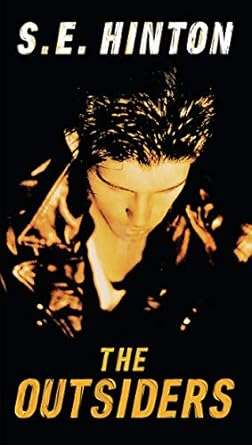
5. The Outsiders by S.E. Hinton
Published: 1967
S.E. Hinton’s “The Outsiders” tells the story of Ponyboy Curtis and his gang of “Greasers” navigating life and conflict with the rival “Socs.” Written by a teenager, the novel’s authentic voice captured the struggles of adolescence, identity, and class conflict. The characters’ search for belonging and understanding struck a chord with many young readers.
Boomers found “The Outsiders” to be an incredibly relatable book, reflecting their own experiences and emotions. The novel’s depiction of friendship, loyalty, and the harsh realities of growing up resonated deeply. Ponyboy’s journey of self-discovery and his reflections on the world around him provided a sense of solace and camaraderie.
The book’s themes of brotherhood and the desire to find one’s place in the world were especially impactful during the turbulent 1960s. “The Outsiders” gave a voice to the frustrations and hopes of a generation, making it a beloved and influential read. The novel’s message that “things are rough all over” but that there is hope and beauty in the world resonated strongly with its readers.
Many Boomers remember discussing the book with friends and finding comfort in its pages. “The Outsiders” remains a touchstone for exploring the challenges and triumphs of adolescence, leaving a lasting legacy on its readers.
Key Points:
- Themes: Adolescence, identity, class conflict
- Setting: Mid-1960s American city
- Impact: Reflected the struggles and emotions of adolescence, offering solace and understanding
Read it again. Buy it here.
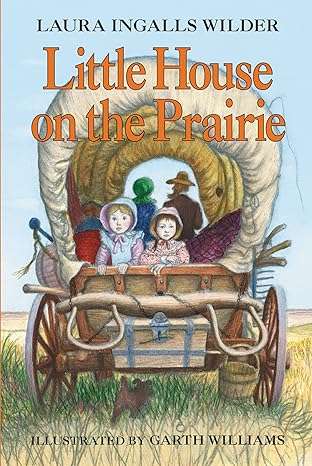
6. Little House on the Prairie by Laura Ingalls Wilder
Published: 1935
Laura Ingalls Wilder’s “Little House on the Prairie” is a nostalgic look at pioneer life in the American Midwest. The book follows the Ingalls family as they settle in a new home and face the challenges of frontier life. Wilder’s detailed descriptions and engaging narrative bring the era to life, making it a favorite among young readers.
For Boomers, this book provided a window into a simpler, yet tougher way of life. The values of hard work, family, and resilience depicted in the story resonated deeply. Readers were fascinated by the adventures and hardships the Ingalls family endured, which were so different from their own modern lives.
The sense of community and the pioneering spirit captured in the book inspired many Boomers. It encouraged them to appreciate the comforts of their own lives while also admiring the strength and resourcefulness of those who came before them. The vivid storytelling and relatable characters made the past come alive for young readers.
The “Little House” series taught Boomers about perseverance and the importance of family. The books were often shared between parents and children, creating a shared reading experience that spanned generations. The lessons learned from the Ingalls family left a lasting impact on Boomers’ values and outlook.
Many Boomers fondly remember the “Little House” series as a key part of their childhood reading experience. The books taught them about perseverance and the importance of family, leaving a lasting impression on their values and outlook.
Key Points:
- Themes: Hard work, family, resilience
- Setting: American Midwest during the pioneer era
- Impact: Inspired appreciation for the past and values of perseverance and family
Read it again. Buy it here.
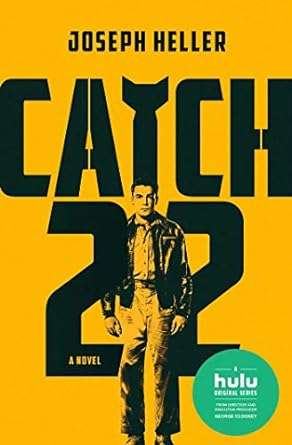
7. Catch-22 by Joseph Heller
Published: 1961
Joseph Heller’s “Catch-22” is a satirical novel set during World War II, focusing on the absurdities of war and bureaucracy. The protagonist, Captain John Yossarian, grapples with the contradictory and illogical rules that define his existence. The term “Catch-22” has since entered the lexicon, symbolizing a no-win situation.
Boomers found “Catch-22” both humorous and thought-provoking. The novel’s dark comedy and critique of military logic resonated with readers during a time of growing skepticism about authority and the Vietnam War. Yossarian’s desperate attempts to maintain his sanity in an insane world mirrored their own doubts and frustrations.
The book’s unique narrative style and non-linear timeline were groundbreaking, challenging readers to think critically about the nature of war and the human condition. “Catch-22” became a symbol of anti-establishment sentiment, capturing the disillusionment of a generation.
For many Boomers, the novel’s exploration of absurdity and survival in a bureaucratic system was eye-opening. It encouraged them to question the status quo and to see the world through a more critical lens, leaving a lasting impact on their worldview.
Key Points:
- Themes: Absurdity of war, bureaucracy, survival
- Setting: World War II
- Impact: Challenged readers to think critically about authority and the human condition
Read it again. Buy it here.
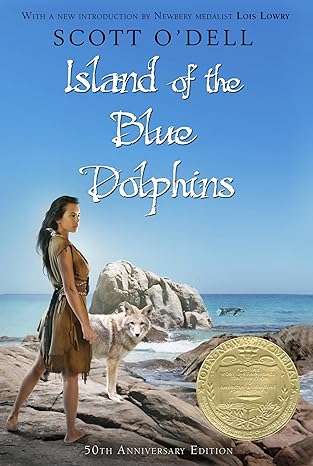
8. Island of the Blue Dolphins by Scott O’Dell
Published: 1960
Scott O’Dell’s “Island of the Blue Dolphins” tells the story of Karana, a young girl stranded alone on an island off the California coast. Based on a true story, the novel explores themes of survival, resilience, and self-discovery. Karana’s resourcefulness and courage captivated young readers.
Boomers were drawn to Karana’s story of survival against the odds. Her ability to adapt and thrive in isolation resonated with readers, who admired her strength and ingenuity. The book’s vivid descriptions of the island and its wildlife added to the sense of adventure and discovery.
For many Boomers, “Island of the Blue Dolphins” was an inspiring tale of independence and perseverance. Karana’s journey of self-reliance and personal growth provided a powerful role model for young readers. The novel’s themes of courage and determination were particularly impactful during a time of social change.
The story encouraged Boomers to appreciate the natural world and the importance of inner strength. It left a lasting impression, teaching valuable lessons about resilience and the power of the human spirit.
Key Points:
- Themes: Survival, resilience, self-discovery
- Setting: Island off the California coast
- Impact: Inspired readers with themes of independence and perseverance
Read it again. Buy it here.
9. A Wrinkle in Time by Madeleine L’Engle
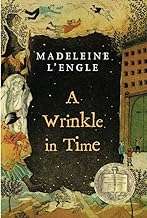
Published: 1962
Madeleine L’Engle’s “A Wrinkle in Time” is a science fantasy novel that follows Meg Murry and her friends as they travel through space and time to rescue her father. The book explores themes of good versus evil, the power of love, and the importance of individuality. Its imaginative plot and relatable characters captivated young readers.
Boomers were enchanted by the novel’s blend of science fiction and fantasy. Meg’s struggles with self-doubt and her eventual triumph resonated with readers facing their own personal challenges. The book’s message that everyone has unique strengths and value was empowering.
The novel’s exploration of complex themes and its encouragement of critical thinking made it a standout read. Boomers were inspired by Meg’s journey and the idea that love and courage could overcome darkness. The book’s imaginative world and profound messages left a lasting impact.
Many Boomers fondly remember “A Wrinkle in Time” as a book that sparked their love for reading and exploration. Its themes of bravery and the power of love resonated deeply, encouraging readers to embrace their individuality and face challenges head-on.
Key Points:
- Themes: Good vs. evil, power of love, individuality
- Setting: Space and time travel
- Impact: Empowered readers and encouraged critical thinking
Read it again. Buy it here.
10. The Hobbit by J.R.R. Tolkien
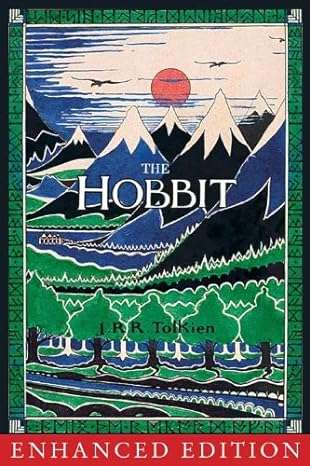
Published: 1937
J.R.R. Tolkien’s “The Hobbit” is a fantasy novel that follows the adventures of Bilbo Baggins, a hobbit who embarks on a quest to help a group of dwarves reclaim their homeland. The book’s rich world-building, memorable characters, and epic journey captured the imaginations of young readers.
For Boomers, “The Hobbit” was an introduction to the enchanting world of Middle-earth. Bilbo’s transformation from a reluctant hero to a courageous adventurer inspired many. The book’s themes of bravery, friendship, and the pursuit of adventure resonated deeply.
Tolkien’s masterful storytelling and the novel’s sense of wonder and discovery made it a beloved classic. Boomers were transported to a fantastical world that encouraged them to dream big and embrace the unknown. The book’s timeless appeal and enduring messages made it a formative read.
“The Hobbit” left a lasting legacy, influencing Boomers to value bravery and friendship. Its impact extended beyond literature, inspiring a love for fantasy and adventure that many carried into adulthood.
Key Points:
- Themes: Bravery, friendship, adventure
- Setting: Middle-earth
- Impact: Inspired a love for fantasy and the pursuit of adventure
Read it again. Buy it here.
Related Posts
7 Great Books From The 1960s Everyone Should Read (Again)
“The Catcher in the Rye” And “Lord of the Flies”: 2 Great books
10 Great Benefits from a Reading Club for Baby Boomers
7 Great Books From The 1970s Everyone Should Read
7 Great Books From the 1980s Everyone Should Read
Books For the Boomer Generation
As an Amazon Associate, I earn from qualifying purchases. This means that if you click on one of the product links and make a purchase, I may receive a small commission at no additional cost to you. This helps support my website and allows me to continue to provide useful content. Thank you for your support!


