
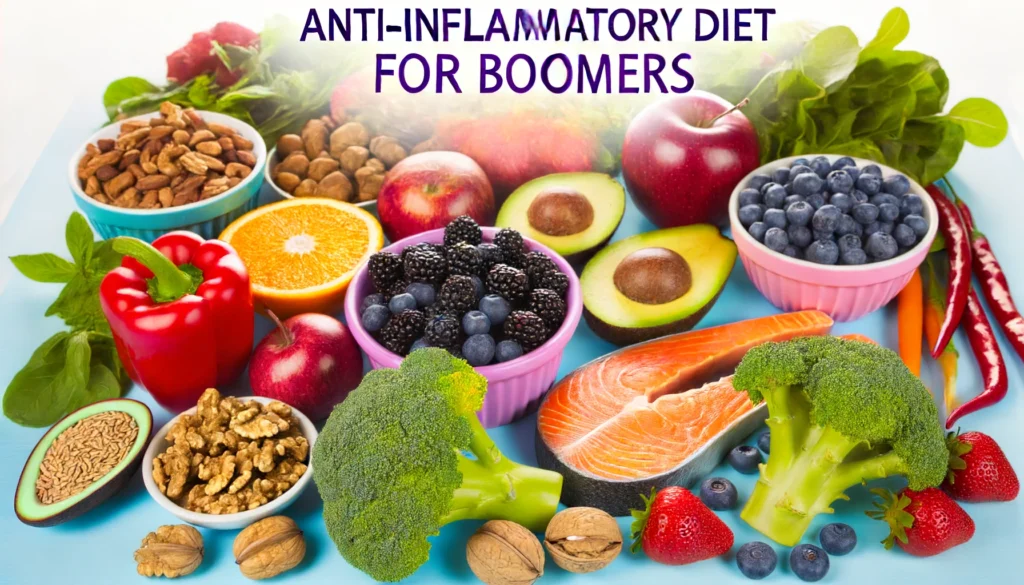
Managing arthritis can be a challenge, especially for Boomers looking for natural ways to alleviate symptoms. One effective approach is adopting an anti-inflammatory diet, which can provide numerous health benefits. Here are ten ways this type of diet can help manage arthritis and improve overall well-being.
1. Reduces Joint Inflammation
An anti-inflammatory diet can significantly reduce joint inflammation.
Eating foods rich in omega-3 fatty acids, such as salmon and walnuts, helps lower inflammation. Leafy greens, berries, and colorful vegetables are high in antioxidants that fight inflammation. This diet can lead to less joint pain and improved mobility.
Salmon, flaxseeds, and walnuts are excellent sources of omega-3 fatty acids. Spinach, kale, and broccoli provide essential antioxidants. Berries like blueberries, strawberries, and raspberries are also anti-inflammatory.
Reducing joint inflammation can support overall health and reduce the severity of arthritis symptoms.
2. Provides Essential Nutrients
A well-balanced anti-inflammatory diet provides essential nutrients needed for overall health.
Vitamin C, found in citrus fruits, aids in collagen production for joint health. Calcium and vitamin D from dairy or fortified plant-based options are vital for strong bones. Ensuring adequate nutrient intake can prevent further joint damage.
Oranges, strawberries, and bell peppers are rich in vitamin C. Dairy products like milk, yogurt, and cheese provide calcium and vitamin D. Fortified plant-based milks such as almond milk, soy milk, and orange juice also offer these nutrients.
Proper nutrition supports long-term joint health and can alleviate arthritis symptoms.
3. Supports Weight Management
Maintaining a healthy weight reduces the strain on joints.
Anti-inflammatory foods like whole grains and lean proteins help manage weight. Avoiding processed foods and sugars can prevent weight gain. This results in less pressure on the joints and reduced pain.
Quinoa, brown rice, and oats are nutritious whole grains. Chicken, turkey, and tofu are excellent lean protein sources. Avoiding sugary snacks, soda, and fast food helps prevent weight gain.
Managing weight through diet can significantly reduce arthritis pain and improve joint function.
4. Boosts Immune System
An anti-inflammatory diet can boost the immune system, helping to fight off infections.
Foods rich in antioxidants and vitamins, like fruits and vegetables, strengthen immunity. A stronger immune system can help the body manage arthritis symptoms more effectively. This leads to overall better health and reduced flare-ups.
Citrus fruits like oranges, grapefruits, and lemons are high in vitamin C. Bell peppers, spinach, and sweet potatoes provide essential vitamins and minerals. Berries, especially blueberries, are rich in antioxidants.
Boosting immunity can enhance the body’s ability to cope with arthritis.
5. Improves Digestion
A diet high in fiber from fruits, vegetables, and whole grains improves digestion.
Good digestion ensures the efficient absorption of nutrients necessary for joint health. Reducing processed foods and sugars can prevent digestive issues that may exacerbate inflammation. Better digestion supports overall health and well-being.
Apples, pears, and avocados are high in fiber. Whole grains like quinoa, brown rice, and barley support digestive health. Vegetables such as carrots, broccoli, and Brussels sprouts are excellent fiber sources.
Improving digestion can lead to better nutrient uptake and reduced arthritis symptoms.
6. Enhances Energy Levels
Eating a balanced diet with anti-inflammatory foods can enhance energy levels.
Nutrient-dense foods provide sustained energy without the crashes caused by sugary foods. Increased energy levels can improve physical activity and joint mobility. Staying active helps manage arthritis symptoms.
Oats, sweet potatoes, and quinoa provide long-lasting energy. Nuts like almonds, cashews, and walnuts are energy-boosting snacks. Leafy greens such as spinach, kale, and Swiss chard support overall energy.
Maintaining high energy levels can improve quality of life and reduce arthritis pain.
7. Promotes Heart Health
An anti-inflammatory diet can promote heart health, which is linked to better overall health.
Heart-healthy foods like nuts, seeds, and oily fish reduce inflammation and support cardiovascular health. A healthy heart ensures efficient blood flow, which is vital for joint health. Reducing inflammation in the body also benefits the heart.
Salmon, mackerel, and sardines are rich in omega-3 fatty acids. Almonds, walnuts, and chia seeds provide healthy fats. Avocados, olive oil, and flaxseeds are also heart-healthy foods.
Promoting heart health can have a positive impact on managing arthritis symptoms.
8. Reduces Pain Sensitivity
Certain anti-inflammatory foods can reduce pain sensitivity associated with arthritis.
Compounds in foods like turmeric and ginger have natural pain-relieving properties. Reducing overall inflammation in the body can lower pain levels. Regular consumption of anti-inflammatory foods can lead to long-term pain relief.
Turmeric, ginger, and garlic have anti-inflammatory properties. Pineapple, cherries, and strawberries can help reduce pain. Green tea, black tea, and matcha provide additional anti-inflammatory benefits.
Managing pain through diet can be a natural and effective strategy.
9. Supports Mental Health
An anti-inflammatory diet can support mental health, which is crucial for managing chronic conditions.
Omega-3 fatty acids and antioxidants found in the diet can improve mood and reduce depression. Good mental health can lead to better management of arthritis symptoms. Reducing inflammation in the brain can improve cognitive function.
Salmon, walnuts, and flaxseeds are rich in omega-3s. Blueberries, dark chocolate, and spinach are high in antioxidants. Turmeric, ginger, and green tea have mood-boosting properties.
Supporting mental health through diet can make managing arthritis more manageable.
10. Enhances Overall Well-being
An anti-inflammatory diet enhances overall well-being and quality of life.
Consuming a variety of nutrient-dense foods can improve multiple aspects of health. Reduced inflammation can lead to fewer health issues and better physical function. An overall sense of well-being can improve day-to-day life for arthritis sufferers.
Berries, leafy greens, and nuts provide essential nutrients. Fatty fish like salmon and mackerel offer anti-inflammatory benefits. Whole grains such as quinoa, barley, and brown rice support overall health.
An enhanced sense of well-being can make living with arthritis more comfortable and fulfilling.
Incorporating an anti-inflammatory diet into your lifestyle can have profound benefits, particularly for those managing arthritis. By focusing on nutrient-rich, whole foods, Boomers can enjoy improved joint health and reduced pain. This approach not only supports physical health but also enhances overall quality of life.


