

As you enter your golden years, staying healthy and active becomes more important than ever. The keto diet has gained popularity among seniors for its potential health benefits. This low-carb, high-fat eating plan may offer advantages for older adults looking to improve their well-being.

The keto diet can help seniors manage weight, boost energy, and support brain health. By reducing carbohydrate intake and increasing healthy fats, your body enters a state called ketosis. This metabolic shift may lead to various positive outcomes for older individuals. Let’s explore 15 ways the keto diet could benefit seniors and enhance their quality of life.
1. Weight loss

As you age, losing weight can become more challenging. The keto diet offers a promising solution for seniors looking to shed excess pounds. By drastically reducing carbohydrate intake, your body enters a state called ketosis.
In ketosis, your body burns fat for fuel instead of carbs. This can lead to significant weight loss, especially in the early stages of the diet. Many seniors find the keto diet effective for weight loss due to its unique approach.
The high-fat content of the keto diet helps you feel full and satisfied. This can naturally reduce your overall calorie intake without feeling deprived. Eating fewer calories while maintaining a feeling of fullness is key for sustainable weight loss.
Keto may also help preserve muscle mass during weight loss. This is crucial for seniors, as maintaining muscle is important for overall health and mobility. By combining a keto diet with light exercise, you can work towards a healthier weight.
Remember, weight loss results can vary from person to person. It’s important to consult with your doctor before starting any new diet, especially if you have existing health conditions or take medications.
2. Improved mental clarity

As you age, keeping your mind sharp becomes more important. The keto diet may help improve your mental clarity and cognitive function.
When you follow a keto diet, your body uses fat for fuel instead of carbs. This process can lead to better brain function. Many seniors report feeling more alert and focused on a keto diet.
The keto diet may enhance cognitive function in older adults. You might notice improvements in memory, concentration, and overall mental performance.
Your brain needs a steady supply of energy to work well. The keto diet provides this through ketones, which are made from fat. These ketones can cross the blood-brain barrier and fuel your brain effectively.
Some studies suggest that a keto diet might help protect against age-related cognitive decline. It may even lower the risk of conditions like Alzheimer’s disease.
You might find it easier to think clearly and solve problems on a keto diet. Many seniors report a “mental fog” lifting after starting this way of eating.
The mental clarity benefits of keto can help you stay independent and engaged as you age. Improved cognitive function can boost your quality of life and daily activities.
Remember, everyone’s experience is different. While many seniors see mental clarity improvements on keto, results can vary. It’s always best to talk with your doctor before starting any new diet.
3. Enhanced energy levels

The keto diet can give you a significant boost in energy as a senior. When you switch to a low-carb, high-fat diet, your body starts using fat for fuel instead of carbs.
This change can lead to more stable energy levels throughout the day. You might find yourself feeling less tired and more alert.
Many seniors report feeling more energetic on the keto diet. This extra energy can help you stay active and enjoy your daily activities more.
The keto diet may also improve your sleep quality. Better sleep can contribute to feeling more refreshed and energized during the day.
With increased energy, you might find it easier to exercise regularly. This can further improve your overall health and well-being as a senior.
The steady energy supply from fat metabolism can help you avoid the energy crashes often associated with high-carb diets. You may experience fewer mid-afternoon slumps.
Keep in mind that it may take some time for your body to adjust to the keto diet. Initially, you might feel tired as your body adapts to using fat for fuel.
After the adjustment period, many seniors report feeling more energetic than before starting the keto diet. This increased energy can positively impact various aspects of your daily life.
4. Better blood sugar control
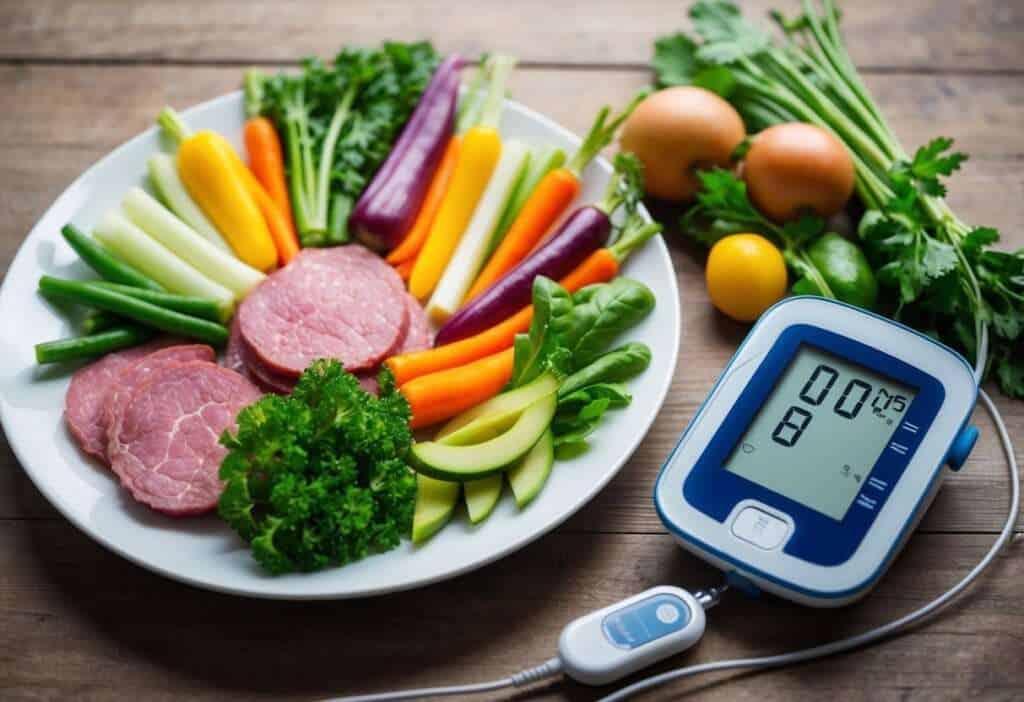
The keto diet can help you manage your blood sugar levels more effectively. This is especially important for seniors who may be at risk for or already have diabetes.
When you follow a keto diet, you eat very few carbohydrates. This means your body doesn’t have to produce as much insulin to process sugar in your blood.
Stable blood sugar levels can be a major benefit of the keto diet for seniors. It can help reduce the risk of developing type 2 diabetes or improve management if you already have it.
The keto diet may also improve insulin sensitivity. This means your body can use insulin more efficiently to regulate blood sugar.
For seniors with diabetes, the keto diet might help reduce the need for medication. However, you should always consult your doctor before making any changes to your diet or medication.
Research has shown that the keto diet can significantly control blood sugar levels in people with diabetes. It may also improve lipid profiles in the blood.
Remember, while these benefits are promising, it’s crucial to work with your healthcare provider. They can help you safely implement a keto diet and monitor your blood sugar levels.
5. Reduced inflammation

The keto diet may help lower inflammation in your body as you age. This can be good for your health in many ways.
When you follow a keto diet, your body burns fat for fuel instead of sugar. This process is called ketosis. It can lead to less inflammation in your body.
Less inflammation may ease joint pain and stiffness. This can make it easier for you to move and stay active as you get older.
The keto diet might also help protect your brain from inflammation. This could lower your risk of memory problems and keep your mind sharp.
Eating keto-friendly foods like fatty fish, nuts, and leafy greens can fight inflammation. These foods have nutrients that help calm your body’s inflammatory response.
By reducing inflammation, you may lower your chances of getting some age-related health issues. This includes heart disease and diabetes.
Remember to talk to your doctor before starting a keto diet. They can help you decide if it’s safe for you and guide you on how to do it right.
6. Appetite control

The keto diet can help you manage your hunger as you age. Many seniors find that following a ketogenic eating plan reduces their appetite naturally.
When you eat fewer carbs and more fats, your body produces ketones. These molecules can suppress hunger signals in your brain. This may lead to you feeling fuller for longer periods between meals.
Protein and fat are very satiating nutrients. A keto diet is rich in both, which can help you feel satisfied with smaller portions. You may notice yourself snacking less often throughout the day.
Stable blood sugar levels also play a role in appetite control. The keto diet can improve insulin sensitivity and keep your glucose steady. This helps prevent sudden hunger pangs or cravings.
By reducing your overall calorie intake without feeling deprived, you may find it easier to maintain a healthy weight. This is especially beneficial for seniors looking to manage their weight as metabolism slows with age.
Remember to stay hydrated on a keto diet. Sometimes thirst can be mistaken for hunger. Drinking enough water can further help control your appetite.
7. Increased good cholesterol (HDL)

The keto diet can help boost your HDL (high-density lipoprotein) cholesterol levels. HDL is often called “good” cholesterol because it helps remove other forms of cholesterol from your bloodstream.
As you age, maintaining healthy cholesterol levels becomes increasingly important. The keto diet may offer a natural way to improve your HDL numbers.
When you follow a well-formulated keto diet, you consume more healthy fats. This can lead to an increase in HDL cholesterol production.
Higher HDL levels are associated with better heart health. They can help protect you against heart disease and stroke, which are major concerns for seniors.
The keto diet’s effect on HDL is particularly noteworthy. While many diets focus solely on lowering LDL (bad) cholesterol, keto has the potential to raise HDL levels.
By limiting refined sugars and carbohydrates, you may see improvements in your overall cholesterol profile. This includes not only increased HDL but also reduced LDL levels.
It’s important to note that individual results can vary. Your body’s response to the keto diet may differ from others. Regular check-ups with your doctor can help monitor your cholesterol levels and ensure the diet is working well for you.
Remember to choose healthy fats as part of your keto plan. Avocados, olive oil, and fatty fish are excellent options that can support your HDL levels while following this diet.
8. Lowered bad cholesterol (LDL)
The keto diet may help you lower your bad cholesterol levels. This can be especially beneficial for seniors who are at risk of heart disease.
LDL cholesterol is often called “bad” cholesterol because it can build up in your arteries. Too much LDL can lead to heart problems.
Some studies show that the keto diet can improve cholesterol profiles. It may increase HDL (good) cholesterol while lowering LDL (bad) cholesterol.
When you follow a keto diet, your body burns fat for fuel instead of carbs. This process can lead to changes in how your body handles cholesterol.
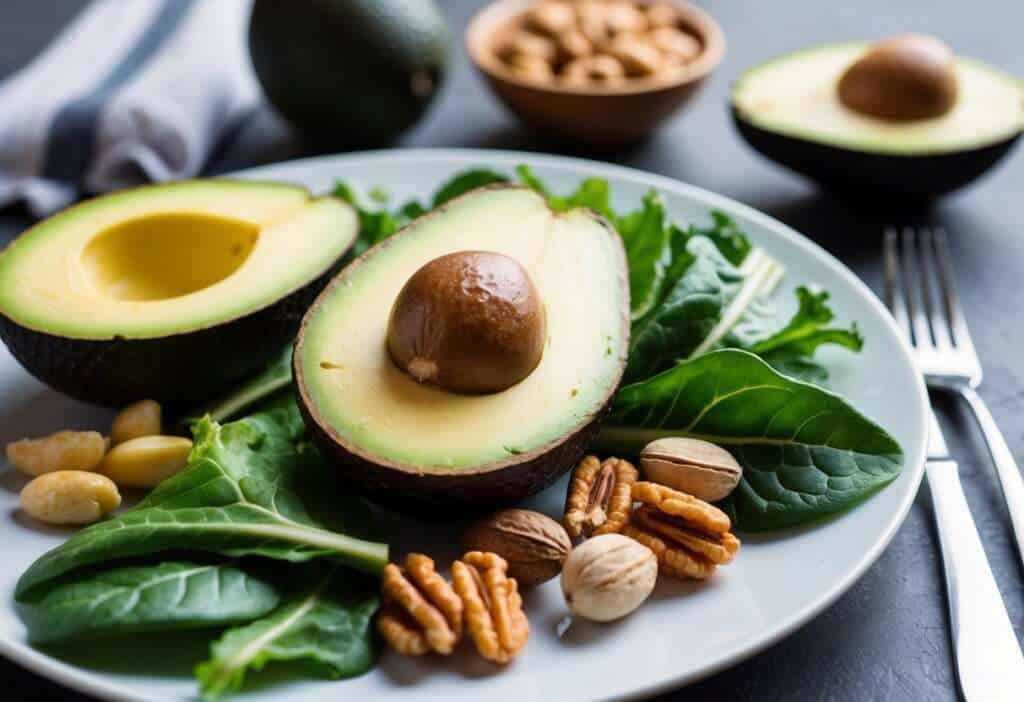
The diet’s focus on healthy fats may also play a role. Foods like avocados, nuts, and olive oil are keto-friendly and can support heart health.
It’s important to note that results can vary from person to person. Some people might see improvements in their cholesterol levels, while others may not.
Before starting a keto diet to manage your cholesterol, talk to your doctor. They can help you decide if it’s the right choice for your health needs.
Remember to choose healthy fats and avoid processed foods on the keto diet. This approach can help you get the most benefit for your heart health.
Regular check-ups and blood tests are crucial. They will help you and your doctor track changes in your cholesterol levels over time.
9. Improved heart health

The keto diet may offer heart health benefits for seniors. When you follow this eating plan, you might see positive changes in your cardiovascular system.
One potential benefit is a reduction in triglycerides. These are fats in your blood that can raise your risk of heart disease. The keto diet has been shown to lower triglyceride levels in some people.
Your cholesterol profile might also improve on keto. Some seniors experience an increase in HDL cholesterol, which is often called “good” cholesterol. This type of cholesterol helps remove other forms of cholesterol from your bloodstream.
Blood pressure is another area where you might see improvements. Some studies suggest that a keto diet can help lower blood pressure in certain individuals. This is important because high blood pressure is a risk factor for heart disease.
The keto diet’s focus on healthy fats like olive oil, avocados, and fatty fish can contribute to heart health. These foods contain omega-3 fatty acids and other nutrients that support cardiovascular function.
It’s important to note that the keto diet’s effects on heart health can vary from person to person. Some individuals may see more significant benefits than others. Always consult with your doctor before starting any new diet, especially if you have existing heart conditions.
10. Reduction in seizure frequency
The ketogenic diet may help reduce seizure frequency in seniors with epilepsy. This high-fat, low-carbohydrate diet has been used to treat epilepsy since the 1920s.
For older adults struggling with seizures, the keto diet could offer relief. It works by changing how your body uses energy, which may affect brain activity.
Research shows that the keto diet can be effective for controlling seizures in some people. It might even work when medications have failed.
You may experience a significant drop in seizure frequency on this diet. Some seniors find their seizures become less severe or stop completely.
The diet’s effects can vary from person to person. It’s important to work with your doctor before starting the keto diet for seizure control.
Your healthcare provider can help monitor your progress and adjust the diet as needed. They can also ensure you’re getting proper nutrition while following this strict eating plan.
While the keto diet shows promise for seizure reduction, it’s not suitable for everyone. Discuss potential risks and benefits with your healthcare team to determine if it’s right for you.
11. Potential cancer prevention

The keto diet may offer some promise for cancer prevention in older adults. Some studies suggest that a ketogenic diet could potentially slow the growth of certain types of cancer cells.
Cancer cells often rely heavily on glucose for energy. The keto diet drastically reduces carbohydrate intake, which may help starve cancer cells of their preferred fuel source.
By lowering blood sugar and insulin levels, the keto diet might create an environment that’s less favorable for cancer cell growth. This could potentially slow down tumor progression in some cases.
Some research hints that ketosis might alter cellular metabolism in ways that could help prevent cancer formation. However, more studies are needed to fully understand this relationship.
It’s important to note that while these potential benefits are promising, the keto diet isn’t a cure for cancer. You should always consult with your doctor before making any major dietary changes, especially if you have a history of cancer or are currently undergoing treatment.
Your healthcare provider can help you determine if a keto diet is appropriate for your individual health needs and goals. They can also monitor your progress and make adjustments as needed to ensure you’re getting proper nutrition.
12. Stretch Mark Reduction
As you age, your skin may develop stretch marks due to weight fluctuations or loss of elasticity. The keto diet can help reduce the appearance of stretch marks in seniors.
By following a keto diet, you can improve your skin’s health and elasticity. The high-fat content of the diet provides essential nutrients for skin repair and regeneration.
Ketones produced during ketosis have anti-inflammatory effects. This can help soothe skin irritation and promote healing of stretch marks.
The keto diet often leads to weight loss, which can prevent new stretch marks from forming. It also helps tighten existing loose skin, making stretch marks less noticeable.
Increased collagen production is another benefit of the keto diet. Collagen is crucial for maintaining skin elasticity and reducing the appearance of stretch marks.
You may notice improvements in your skin’s texture and tone as you follow the keto diet. This can contribute to an overall more youthful appearance.
Remember to stay hydrated while on the keto diet. Proper hydration is essential for maintaining skin elasticity and reducing the visibility of stretch marks.
Combining the keto diet with gentle exercises can further enhance skin health and stretch mark reduction. Consider low-impact activities suitable for seniors to support your skin’s elasticity.
13. Improved kidney function
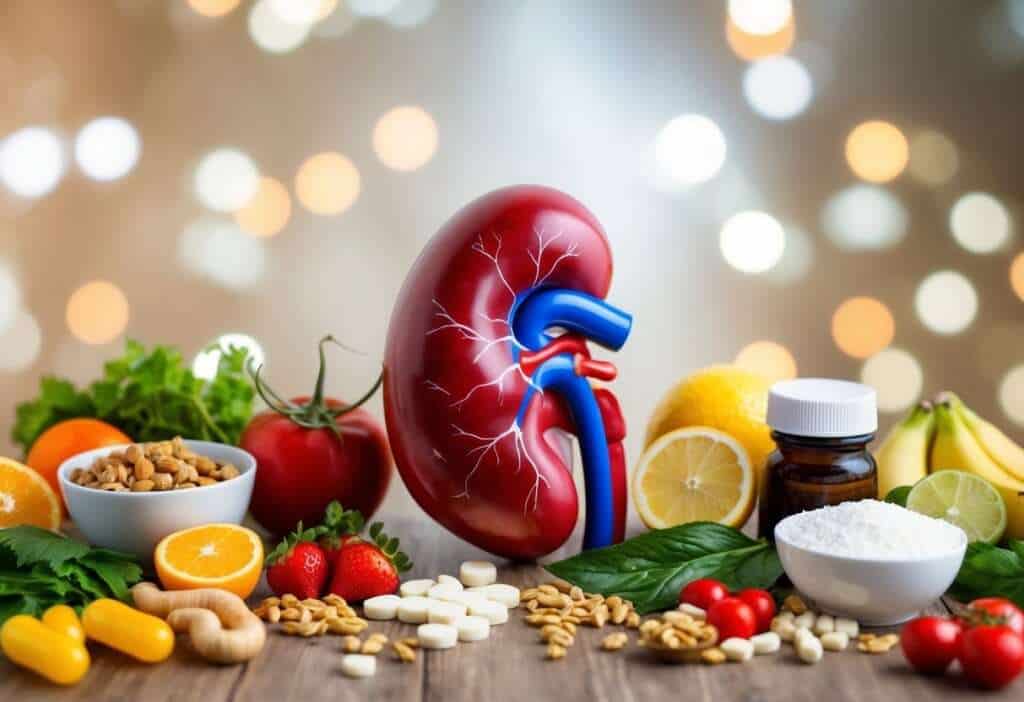
The keto diet may offer benefits for kidney health in seniors. When you follow a ketogenic eating plan, your body produces fewer waste products that your kidneys need to filter out.
This reduction in waste can ease the workload on your kidneys. For older adults with existing kidney issues, this could be particularly helpful.
Healthy fats like olive oil and avocados, which are staples of the keto diet, can support kidney function. These foods provide nutrients that are beneficial for overall kidney health.
The keto diet often leads to weight loss, which can indirectly improve kidney function. Excess weight puts strain on your kidneys, so shedding pounds may reduce this pressure.
Ketosis, the metabolic state achieved on a keto diet, may help regulate blood sugar levels. This can be especially important for seniors with diabetes, as high blood sugar can damage kidney function over time.
It’s important to note that while the keto diet may offer these benefits, you should always consult with your doctor before making significant dietary changes. This is especially crucial if you have pre-existing kidney conditions.
Your healthcare provider can help you determine if a keto diet is appropriate for your specific health needs and kidney function. They may also recommend regular monitoring to ensure the diet is not causing any adverse effects on your kidneys.
14. Faster muscle recovery

As you age, your muscles may take longer to recover after exercise or physical activity. The keto diet can help speed up this process for seniors.
When you follow a ketogenic eating plan, your body becomes better at using fat for fuel. This can lead to faster muscle recovery times after workouts or daily activities.
The keto diet may help maintain muscle mass and strength as you get older. This means your muscles can bounce back more quickly from strain or fatigue.
Eating plenty of protein on the keto diet is key for muscle recovery. Make sure to include lean meats, fish, and eggs in your meals.
Healthy fats like avocados and olive oil are also important for muscle health. These foods can help reduce inflammation and support faster healing.
Remember to stay hydrated while on the keto diet. Drinking enough water helps your muscles recover more efficiently.
Consider adding gentle exercises to your routine, such as walking or swimming. These activities can complement the keto diet’s effects on muscle recovery.
By combining a keto diet with regular physical activity, you may notice improvements in how quickly your muscles bounce back after exertion.
15. Stabilized mood swings
The keto diet may help stabilize your mood swings as a senior. When you follow this eating plan, your brain relies more on ketones for energy instead of glucose.
This shift can lead to more stable blood sugar levels. As a result, you might experience fewer ups and downs in your mood throughout the day.
Ketones have been shown to have a positive effect on brain function. This can potentially improve your overall mental state and emotional well-being.
The keto diet often includes foods rich in omega-3 fatty acids. These nutrients are known to support brain health and may help reduce symptoms of depression and anxiety.
By reducing your intake of processed carbohydrates and sugars, you can avoid the energy crashes that often come with high-carb diets. This can lead to more consistent energy levels and a steadier mood.
Some seniors report feeling calmer and more focused on a keto diet. This could be due to the diet’s impact on neurotransmitters in the brain.
Remember to consult with your doctor before starting any new diet, especially if you have existing health conditions or take medications. They can help you determine if the keto diet is safe and suitable for your individual needs.
The Keto Diet: An Overview
The ketogenic diet is a high-fat, low-carb eating plan that can offer health benefits for seniors. It changes how your body uses energy and may help with weight loss and certain health conditions.
What is the Keto Diet?
The keto diet aims to put your body into ketosis. This is a state where you burn fat for fuel instead of carbs. On this diet, you eat very few carbs, moderate protein, and lots of fat.
A typical keto diet consists of 70-80% fat, 20-25% protein, and 5-10% carbohydrates. You’ll need to cut out most grains, sugars, fruits, and starchy vegetables.
Foods allowed on keto include:
- Meats and fatty fish
- Eggs
- High-fat dairy
- Nuts and seeds
- Low-carb vegetables like leafy greens
How the Keto Diet Works
When you eat very few carbs, your body enters ketosis. This usually takes 3-4 days of eating less than 50 grams of carbs per day.
In ketosis, your liver produces ketones from fat. These ketones become your main energy source instead of glucose from carbs.
Your body then becomes very efficient at burning fat for energy. This can lead to weight loss and may help with certain health issues.
Some people experience temporary side effects when starting keto. This is known as the “keto flu” and can include headaches, fatigue, and nausea. These symptoms usually pass within a few days to weeks.
Implementing the Keto Diet Safely
Starting a keto diet requires careful planning and consideration. It’s important to approach this dietary change with caution and knowledge to ensure your health and safety.
Consulting with Healthcare Providers
Before beginning a keto diet, you should talk to your doctor or a registered dietitian. They can review your medical history and current health status to determine if keto is right for you.
Your healthcare provider can:
- Check for any potential risks or contraindications
- Adjust your medications if needed
- Recommend necessary supplements
- Monitor your progress and health markers
Regular check-ups are crucial, especially in the early stages of the diet. Your doctor may suggest blood tests to track cholesterol levels and other important health indicators.
Understanding Macronutrient Ratios
The keto diet focuses on specific macronutrient ratios. Typically, it involves:
- 70-80% of calories from fat
- 15-20% from protein
- 5-10% from carbohydrates
You need to understand these ratios to plan your meals effectively. Here’s a simple breakdown:
| Macronutrient | Percentage | Example Foods |
|---|---|---|
| Fat | 70-80% | Avocados, nuts, olive oil |
| Protein | 15-20% | Fish, eggs, poultry |
| Carbohydrates | 5-10% | Leafy greens, berries |
Track your food intake carefully, especially when starting out. Use a food diary or a smartphone app to help you stay within these ratios.
Remember, everyone’s nutritional needs are different. You may need to adjust these ratios based on your personal health goals and your doctor’s recommendations.
Potential Health Benefits for Seniors
The keto diet may offer unique advantages for older adults. It can support brain health and help maintain a healthy weight as you age.
Cognitive Function Improvement
A ketogenic diet may protect your brain and boost cognitive function. When your body uses ketones for fuel, it can provide steady energy to your brain cells.
This may help improve memory and focus. Some studies suggest keto could reduce the risk of age-related cognitive decline.
You might notice better mental clarity and sharper thinking on a keto diet. The diet’s anti-inflammatory effects may also support brain health.
Consider tracking your mental performance before and after starting keto. This can help you gauge any improvements in your cognitive abilities.
Maintaining Healthy Weight
As you age, maintaining a healthy weight becomes more challenging. A keto diet can support weight management in seniors.
The diet’s focus on high-fat, moderate-protein foods can help you feel full and satisfied. This may naturally reduce your calorie intake without feeling deprived.
Keto can also help preserve muscle mass while losing fat. This is crucial for seniors, as muscle loss often occurs with aging.
You might find it easier to stay active and mobile at a healthy weight. This can improve your overall quality of life and independence as you age.
Always consult your doctor before starting any new diet, especially if you have existing health conditions.
Frequently Asked Questions
The ketogenic diet offers several potential benefits for seniors, but it’s important to understand its effects and potential risks. Let’s explore some common questions about keto for older adults.
What are the potential health benefits of a keto diet for older adults?
A ketogenic diet may improve cognitive function in seniors. It could help reduce inflammation and support brain health. You might experience better focus and mental clarity on keto.
Can the keto diet contribute to significant weight loss in seniors?
Yes, keto can help with weight loss in older adults. The diet’s low-carb approach can lead to reduced calorie intake. You may find it easier to maintain a healthy weight on keto.
Are there any specific long-term health impacts for seniors following a ketogenic diet?
Long-term keto effects in seniors are still being studied. Some research suggests it may help manage chronic conditions. You should consult your doctor about long-term keto use.
What are common risks or negative side effects of the keto diet for the elderly population?
Keto can cause initial side effects like fatigue and constipation. Seniors may be more sensitive to these effects. You need to stay hydrated and ensure proper nutrient intake on keto.
How does a ketogenic diet influence metabolic health and chronic disease management in seniors?
Keto may improve blood sugar control and insulin sensitivity. This can be beneficial for managing diabetes. You might see improvements in cholesterol levels and blood pressure.
In what ways can the ketogenic diet affect skin health in older individuals?
Keto’s anti-inflammatory effects may benefit skin health. Some seniors report improved skin elasticity on keto. You might notice reduced skin issues due to lower sugar intake.
Benefits of Low Carb Diets
Low-carb diets can help with weight management. They may reduce the risk of certain chronic diseases. You could experience more stable energy levels throughout the day.
How to Avoid the Keto Flu
Stay hydrated and increase your electrolyte intake. Gradually reduce carbs instead of cutting them out suddenly. You can ease into keto to minimize transition symptoms.


