

High blood pressure is a common health issue for many older adults. If left unchecked, it can lead to serious problems. The good news is that you can lower your blood pressure without medicine.
Lifestyle changes can make a big difference. By making smart choices about diet, exercise, and stress, you can bring your blood pressure down and improve your health. Small tweaks to your daily habits can add up to big benefits over time.
This article will show you 10 easy ways to lower your blood pressure naturally. These tips are simple to follow and can fit into your everyday life. You’ll learn about foods that help, exercises you can do, and other tricks to keep your numbers in check.
Understanding Blood Pressure in Seniors
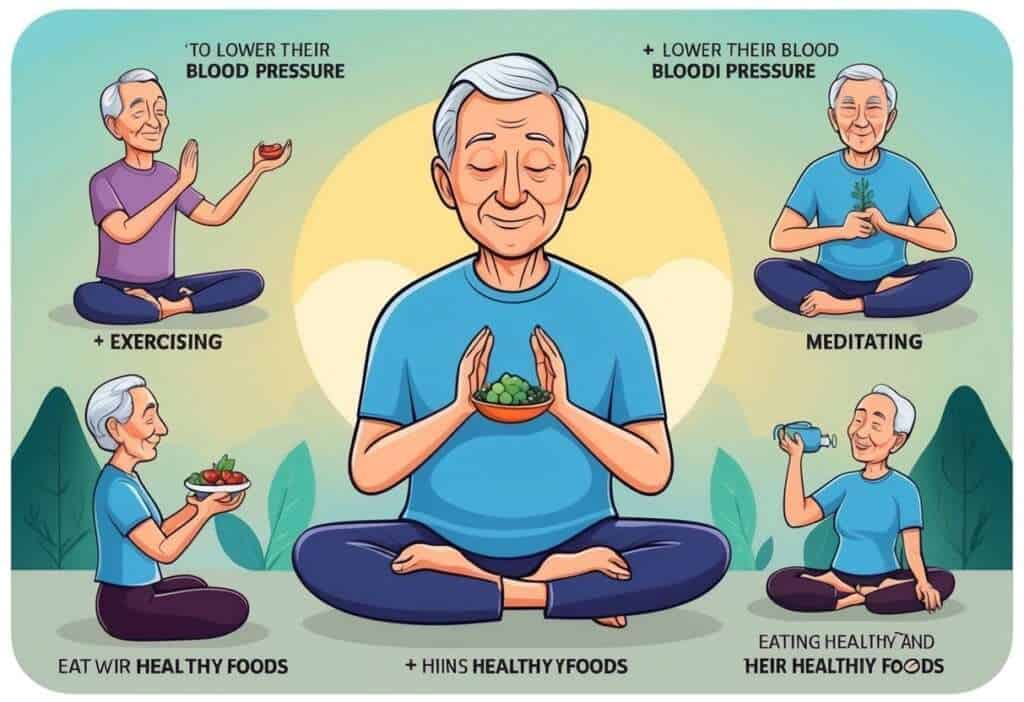
Blood pressure readings have two key numbers. These numbers tell you how hard your heart is working to pump blood through your body.
The Role of Systolic and Diastolic Pressure
Systolic pressure is the first number in your reading. It shows the force of blood against artery walls when your heart beats. The second number is diastolic pressure. It measures the force between beats.
For older adults, a normal reading is below 120/80 mm Hg. Anything above 130/80 mm Hg is high blood pressure.
As you age, your systolic pressure often goes up while diastolic stays low. This is called isolated systolic hypertension. It’s common in seniors due to stiff arteries.
Why High Blood Pressure is a ‘Silent Killer’
High blood pressure is known as a “silent killer” because it often has no symptoms. You might feel fine but still have damage happening inside your body.
Left unchecked, high blood pressure can lead to:
- Heart disease
- Stroke
- Kidney problems
- Vision loss
Regular check-ups are key. They help catch high blood pressure early. This allows you to take steps to lower it before serious health issues occur.
Small changes can make a big difference. Eating less salt, staying active, and taking prescribed medicines can all help control your blood pressure.
Lifestyle Modifications to Manage Hypertension
Making changes to your daily habits can have a big impact on blood pressure. Simple steps like eating better, moving more, and cutting back on certain foods and drinks can help a lot.
Dietary Approaches to Stop Hypertension (DASH Diet)
The DASH diet is a proven way to lower blood pressure. It focuses on fruits, vegetables, and whole grains. You should also eat low-fat dairy products, fish, poultry, and nuts.
Try to limit red meat, sweets, and foods high in fat. This diet is rich in nutrients that help lower blood pressure, like potassium and fiber.
Here’s a simple DASH diet meal plan:
- Breakfast: Oatmeal with berries and nuts
- Lunch: Grilled chicken salad with mixed greens
- Dinner: Baked salmon with roasted vegetables
- Snacks: Fresh fruit or low-fat yogurt
By following this eating plan, you can lower your blood pressure and improve your heart health.
Importance of Regular Physical Activity
Regular exercise is key to managing blood pressure. It makes your heart stronger, so it can pump blood with less effort.
Aim for at least 30 minutes of moderate activity most days of the week. This can include:
- Brisk walking
- Swimming
- Cycling
- Dancing
Start slow if you’re not used to exercising. Even short 10-minute sessions can help. As you get stronger, you can increase the length and intensity of your workouts.
Remember to check with your doctor before starting a new exercise program. They can help you find safe and effective ways to be more active.
related Posts
The Top 15 Smart Blood Pressure Monitors in 2024
10 Great Benefits From Gardening For Baby Boomers
5 Great Benefits of Sunflower Seeds For Boomers
10 Tips For Better Sleep Quality For Seniors
What are the best low-impact exercises for seniors?
How Boomer Philosophies Can Simplify Your Life in Today’s Complex World
The Impact of Weight Loss and Maintaining a Healthy Weight
Losing extra pounds can have a big effect on your blood pressure. Even a small amount of weight loss can help lower your numbers.
Here are some tips to help you reach a healthy weight:
- Eat smaller portions
- Choose nutrient-dense foods
- Avoid processed snacks and sugary drinks
- Keep a food diary to track what you eat
As you lose weight, you may need less blood pressure medicine. But don’t stop taking your meds without talking to your doctor first.
Maintaining a healthy weight is just as important as losing it. Make long-term changes to your eating and exercise habits to keep the weight off.
Reducing Salt Intake and Alcohol Consumption
Cutting back on salt and alcohol can help lower your blood pressure. Too much sodium makes your body hold onto extra water, which puts more pressure on your blood vessels.
Try these tips to reduce salt:
- Read food labels and choose low-sodium options
- Use herbs and spices instead of salt to flavor food
- Limit processed and restaurant foods, which are often high in salt
When it comes to alcohol, moderation is key. Drinking too much can raise your blood pressure. Limit yourself to one drink a day for women or two for men.
Remember, one drink equals:
- 12 ounces of beer
- 5 ounces of wine
- 1.5 ounces of 80-proof liquor
By making these changes, you can take control of your blood pressure and improve your overall health.
Medical Approaches and Blood Pressure Monitoring
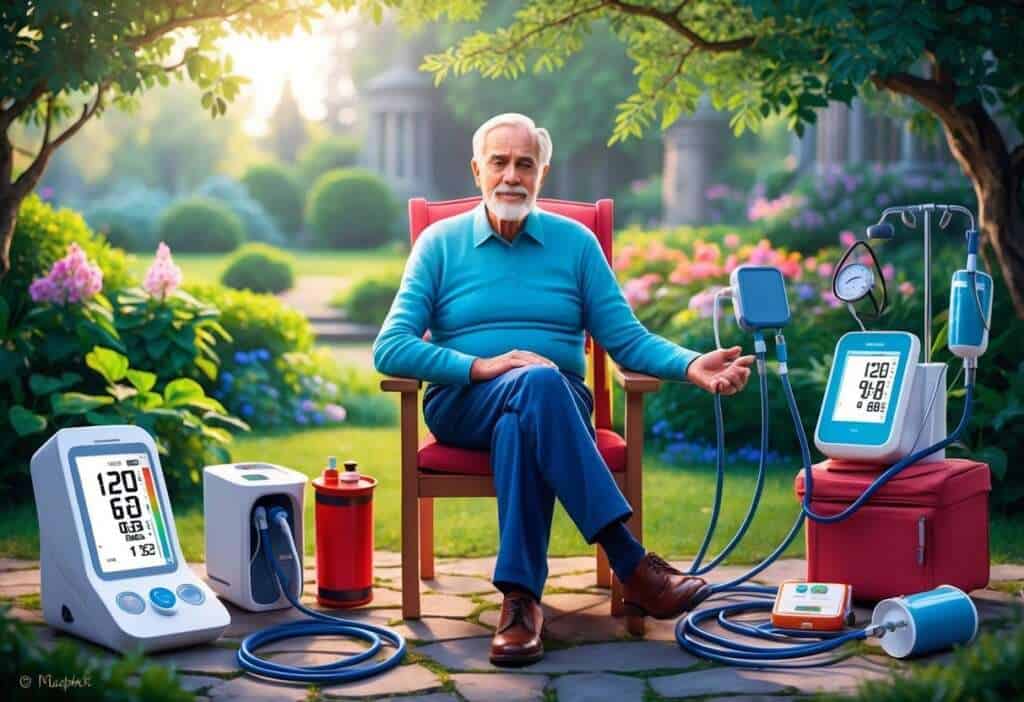
Managing blood pressure often involves working with doctors, using home monitors, and understanding medications. These steps help seniors take control of their health.
Working with Healthcare Professionals
Your doctor is a key partner in managing high blood pressure. Regular check-ups allow them to track your progress and adjust your care plan. They can help you set blood pressure goals and suggest lifestyle changes.
Bring a list of questions to your appointments. Ask about your current blood pressure and how it compares to your target range. Discuss any symptoms or side effects you’re experiencing.
Your doctor can also check for other health issues that might affect your blood pressure. These may include kidney disease or thyroid problems.
Monitoring Blood Pressure at Home
Using a home blood pressure monitor helps you stay on top of your health. It lets you track changes over time and spot any concerning trends.
Choose a monitor with a cuff that fits your arm size. Digital monitors are often easier to use. Make sure to get one that’s approved by your doctor.
Take your blood pressure at the same time each day. Sit quietly for a few minutes before measuring. Keep a log of your readings to share with your doctor.
Regular monitoring can help you see how lifestyle changes affect your blood pressure. It also shows if your medication is working well.
Understanding Prescription Medications and Their Side Effects
Blood pressure medications can be very effective, but it’s important to use them correctly. Always take your medicine as prescribed, even if you feel fine.
Common types of blood pressure drugs include:
- Diuretics
- ACE inhibitors
- Beta blockers
- Calcium channel blockers
Each type works differently. Your doctor will choose the best one for your needs.
Be aware of possible side effects. These might include dizziness, headaches, or changes in your energy level. Tell your doctor if you notice any new symptoms after starting a medication.
Never stop taking your medicine without talking to your doctor first. If you have concerns about side effects, they can often adjust your dose or try a different drug.
Managing Related Health Issues and Risks
High blood pressure often comes with other health concerns. Taking care of these issues can help keep your blood pressure in check and boost your overall health.
Sleep Apnea and Blood Pressure
Sleep apnea can raise your blood pressure. This happens when you stop breathing for short times while sleeping. It makes your heart work harder.
Signs of sleep apnea include:
- Loud snoring
- Waking up tired
- Daytime sleepiness
If you have these signs, talk to your doctor. They may suggest a sleep study. Treating sleep apnea can help lower your blood pressure and improve your sleep.
Using a CPAP machine at night can make a big difference. It keeps your airway open while you sleep. This helps your blood flow and heart rate stay steady.
Addressing Chronic Stress
Stress can make your blood pressure go up. Finding ways to relax is key for your heart health.
Try these stress-busting activities:
- Deep breathing
- Gentle exercise like walking
- Hobbies you enjoy
Even 10 minutes a day of quiet time can help. Some people find meditation or yoga helpful. Others prefer reading or listening to music.
Regular exercise is also great for stress. It releases feel-good chemicals in your brain. Aim for 30 minutes of activity most days. This can be as simple as a brisk walk around your neighborhood.
Preventing Heart Disease and Stroke
High blood pressure raises your risk of heart disease and stroke. The good news is that lowering your blood pressure helps protect your heart.
Here are some steps you can take:
- Eat a heart-healthy diet with lots of fruits and veggies
- Cut back on salt
- Stay active
- Keep a healthy weight
Watching your cholesterol is also important. High cholesterol can clog your arteries. This makes your heart work harder to pump blood.
Regular check-ups with your doctor are key. They can spot early signs of heart problems. Early treatment can prevent serious health issues down the road.
Awareness of Kidney Health
Your kidneys and blood pressure are closely linked. High blood pressure can hurt your kidneys. And kidney problems can raise your blood pressure.
To keep your kidneys healthy:
- Drink plenty of water
- Limit alcohol and caffeine
- Avoid smoking
If you have diabetes, keep your blood sugar under control. High blood sugar can damage your kidneys over time.
Regular exercise helps your kidneys too. It improves blood flow to all your organs. Even light activities like gardening or gentle stretching can make a difference.
Talk to your doctor about kidney function tests. These can catch problems early when they’re easier to treat.
Strategies for Long-Term Management of Blood Pressure
Managing blood pressure over time requires commitment and a multi-faceted approach. By focusing on treatment adherence, lifestyle changes, and education, you can effectively control your blood pressure and improve your health.
The Importance of Adherence to Treatment
Sticking to your treatment plan is crucial for long-term blood pressure control. Take your medications as prescribed, even if you feel fine. Many people with high blood pressure need to take medicine for life.
Set reminders to take your pills. Use a pill organizer to keep track. Don’t skip doses or stop taking your medicine without talking to your doctor first.
Regular checkups are key. Your doctor may need to adjust your treatment over time. Keep a log of your blood pressure readings to share at appointments.
Lifestyle and Nutrition for Sustained Health
A healthy lifestyle is vital for managing blood pressure. Aim for 150 minutes of moderate exercise weekly. Brisk walking, swimming, or cycling are great options.
Watch your diet. Cut back on salt and eat more fruits and vegetables. The DASH diet (Dietary Approaches to Stop Hypertension) can help lower blood pressure.
• Limit alcohol • Quit smoking • Maintain a healthy weight • Manage stress through relaxation techniques
These changes can significantly impact your blood pressure levels over time.
Educational Resources and Support Systems
Knowledge is power in managing your blood pressure. Learn about your condition and treatment options. The American Heart Association and American College of Cardiology offer reliable information.
Join a support group to connect with others facing similar challenges. Your local senior center may offer blood pressure education programs.
Ask your doctor about home blood pressure monitors. Learning to check your own blood pressure can help you stay on top of your health.
Family caregivers can play a crucial role. Involve them in your care plan. They can help remind you to take medications and encourage healthy habits.
Frequently Asked Questions

Many seniors have questions about managing high blood pressure. These FAQs cover home remedies, diet tips, and quick techniques to help lower blood pressure naturally.
What are effective home remedies to reduce high blood pressure?
You can try several home remedies to lower your blood pressure. Regular exercise, like brisk walking for 30 minutes a day, can make a big difference. Reducing salt intake is also key.
Stress management through meditation or deep breathing exercises can help too. Getting enough sleep each night is important for blood pressure control.
Which foods should be avoided to maintain lower blood pressure?
You should limit foods high in sodium, saturated fats, and added sugars. Processed meats, canned soups, and fast food are often high in salt and should be eaten sparingly.
Avoid excessive alcohol consumption. Limiting alcohol intake can help lower your blood pressure by about 4 mm Hg.
What dietary choices can help seniors lower their blood pressure quickly?
Eating more fruits, vegetables, and whole grains can have a quick impact on your blood pressure. The DASH diet is a good plan to follow.
Increasing potassium intake through foods like bananas, sweet potatoes, and leafy greens can help balance out sodium’s effects. Lowering your salt intake can also produce rapid results.
Are there any rapid techniques to help lower blood pressure in an emergency?
In an emergency, try slow, deep breathing exercises. This can help calm you and potentially lower your blood pressure quickly.
If possible, lie down and relax. Drinking a glass of water may also help. Always seek medical help if you’re experiencing a hypertensive crisis.
How can high blood pressure be naturally managed at home?
You can manage your blood pressure at home through lifestyle changes. Regular physical activity is crucial. Aim for at least 30 minutes of moderate exercise most days of the week.
Maintaining a healthy weight is important. Losing extra pounds can significantly lower your blood pressure. Reducing stress through relaxation techniques can also help.
What types of drinks are recommended to decrease blood pressure swiftly?
Water is the best drink for lowering blood pressure. Staying well-hydrated helps your body function properly and can lower blood pressure.
Hibiscus tea has been shown to have a positive effect on blood pressure. Beet juice is another drink that may help lower blood pressure quickly due to its nitrate content.


