
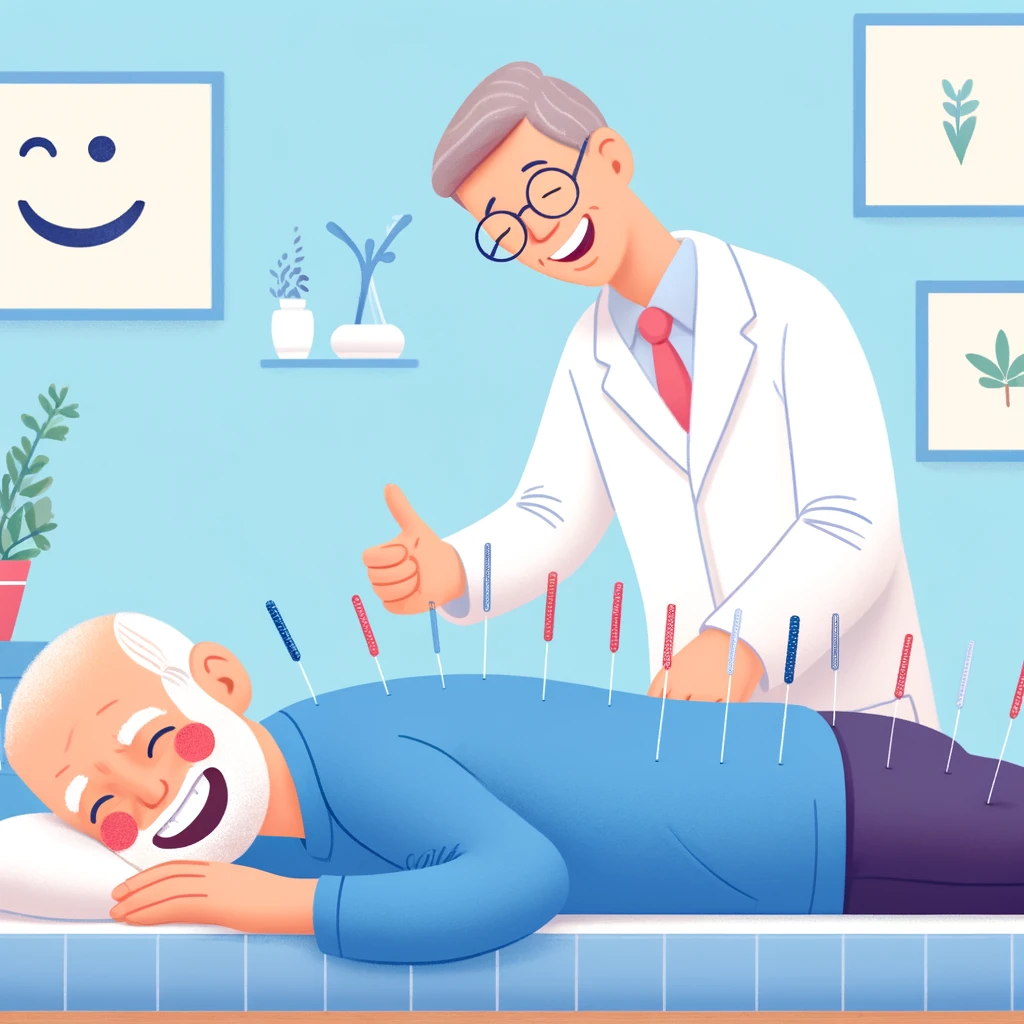
Acupuncture is a traditional Chinese medicine practice that has gained increased attention as a complementary approach to healthcare, particularly among the Baby Boomer generation. We’re witnessing a significant number of individuals from this age group turning to acupuncture as a holistic method to address various health concerns and enhance overall wellness. This natural form of therapy involves the insertion of fine needles into specific points on the body. This is believed to stimulate the body’s healing processes and maintain balance within the system.
As we age, our bodies start to feel the wear and tear of the years. Many of us in the Boomer demographic are seeking ways to alleviate pain, improve mobility, and boost the immune system. Acupuncture offers a non-pharmacological option that can contribute to pain management. Importantly, it’s seen as a way to promote a more active and enriched lifestyle as we get older. Research points to the effectiveness of acupuncture in reducing pain and inflammation, which are common ailments as our bodies mature.
Engaging with this ancient practice isn’t just about addressing specific symptoms or conditions. It’s also about embracing a philosophy of preventive care that aligns with our growing desire to live healthier, more balanced lives. By incorporating this modality into our healthcare routine, we’re tapping into a rich tradition that values the interconnectedness of mind and body, supporting our journey toward aging gracefully and with vitality.
Understanding Acupuncture and Its Principles
Acupuncture is more than just needles; it’s a holistic approach rooted in Traditional Chinese Medicine that aims to balance our body’s energy. Let’s explore the foundational concepts that give acupuncture its healing power.
Traditional Chinese Medicine and Acupuncture
In Traditional Chinese Medicine (TCM), health is a reflection of harmony within our body. Acupuncture is a key practice in TCM, focusing on restoring this balance. By manipulating specific points on our body, we aim to correct imbalances of energy, or qi, that can lead to health issues.
Qi Energy and Acupuncture Points
The concept of qi is central to acupuncture. It is considered the vital life force that flows within us, maintaining our wellbeing. When qi flows freely through acupuncture points, our body is in a state of health. If the flow of qi is blocked or disrupted, it can lead to illness. Identifying and stimulating these acupuncture points helps us to harness energy effectively to promote healing and health.
Meridians and the Flow of Energy
Our body is mapped by meridians, which are like highways for qi energy. Think of these meridians as the roads that connect cities—when clear, traffic moves smoothly, but a blockage can cause a jam. Acupuncture works to clear these pathways, ensuring qi flows freely, which is crucial for maintaining balance between yin and yang—opposite but complementary forces—in our body as per Chinese philosophy. Keeping these pathways clear helps streamline our body’s energy flow, supporting overall health.
Health Benefits for Boomers
As we explore the varied health benefits of acupuncture for Boomers, we find that this age-old practice offers relief and support in four key areas: pain management, joint health, mental well-being, and sleep.
Pain Management and Relief
In our journey to mitigate chronic pain, acupuncture serves as a beacon of hope. It is particularly effective in easing low back pain, which many of us experience as we age. Studies suggest that by inserting needles into specific points on the body, acupuncture can alter pain signals and increase the release of endorphins, our body’s natural painkillers.
Arthritis and Joint Health
Our fight against arthritis finds a powerful ally in acupuncture. This healing method can reduce inflammation and pain associated with knee osteoarthritis—a common ailment among Boomers. It works by stimulating points that can improve circulation and muscle stiffness around the joints.
Mental Health Improvements
We often overlook the importance of mental health, but it’s crucial for our overall well-being. Acupuncture is believed to improve mood and reduce symptoms of anxiety by modulating the part of brain activity that controls our emotions. This calming effect can be especially beneficial during life transitions such as menopause.
Sleep Quality and Insomnia
Many of us struggle with sleep quality and insomnia as we age. Acupuncture has shown promise in improving sleep by inducing a state of relaxation and correcting imbalances in the body that contribute to sleep disturbances. Better sleep leads to improved energy levels and a more vibrant quality of life.
Supportive Treatments and Complementary Therapies
Acupuncture isn’t just a stand-alone treatment; it serves as a robust complementary therapy that we can integrate with modern medicine to enhance overall well-being. Its adaptability to various health conditions makes it particularly valuable for us, especially as we tackle age-specific challenges.
Enhancing Cancer Treatment
When combined with our cancer treatment regimens, acupuncture provides us with a means to lessen some of the uncomfortable side effects. Studies indicate it can significantly reduce nausea resulting from chemotherapy. Not only does this improve our quality of life during treatment, but it also allows us to better adhere to our prescribed cancer therapy.
Fertility and Menstrual Health
For those of us facing fertility issues or menstrual health concerns, acupuncture has been seen as a ray of hope. It’s known to help regulate menstrual cycles and has been associated with improving the outcomes of fertility treatments. Our experiences suggest that acupuncture could be a potent ally in managing menstrual or fertility-related symptoms.
Addiction and Recovery Support
Confronting addiction, especially to opioids, is a formidable task. Acupuncture provides us with a supportive tool in our recovery arsenal. It’s been used successfully to alleviate withdrawal symptoms and cravings, supporting our journey towards recovery. It also promotes our overall well-being, which is crucial in maintaining long-term sobriety.
Safety, Side Effects, and Considerations
Before we dive into our detailed discussion, it’s crucial for us to recognize the aspects of safety and side effects associated with acupuncture, particularly how to navigate them and the importance of choosing a qualified acupuncturist.
Understanding Potential Risks
In our collective quest for wellness, acupuncture can offer many benefits, but it’s important to understand the potential risks. Side effects from acupuncture are generally minimal but can include soreness, minor bleeding, or bruising at the needle sites. More significant risks, though rare, may involve punctured organs or central nervous system injury if needles are improperly placed. To mitigate these risks, we must ensure that single-use, sterilized needles are employed during the procedure.
Finding a Qualified Acupuncturist
Choosing the right acupuncturist is paramount to a safe and effective treatment. Here’s a quick list to guide us in this process:
- Verify Credentials: Look for practitioners with certifications from established acupuncture institutions.
- Check Experience: An acupuncturist well-versed in treating boomers can tailor treatments to suit our specific health needs.
- Consult Insurance: Some policies cover acupuncture; verify if yours does and if the acupuncturist accepts it.
- Ask Questions: Don’t hesitate to inquire about their sterilization practices and complication rates.
- Coordinate Care: It may be beneficial to discuss acupuncture with our primary care physician to ensure it aligns with our overall health plan.
Research, Recognition and Future of Acupuncture
In recent times, we have seen a significant increase in the body of research supporting acupuncture’s benefits, particularly for boomers. This ancient practice is gaining recognition from reputable global health organizations and the scientific community, solidifying its place in modern healthcare.
World Health Organization Findings
The World Health Organization (WHO) recognizes acupuncture as a valuable component in treating over 100 health conditions. According to their findings, acupuncture has been shown to help manage various conditions that often affect boomers, including knee pain, headache, and lower back pain. The WHO’s endorsement serves to legitimize acupuncture on a global scale and encourages further integration into healthcare systems.
Scientific Studies and Clinical Trials
Scientific scrutiny through studies and clinical trials continues to investigate the mechanisms by which acupuncture may provide relief for patients. Notably, research has revealed that acupuncture can influence the body’s pain-processing chemicals, like endorphins, to alleviate discomfort, and these findings are gradually dismantling skepticism around its efficacy.
We now understand more about how stimulation of specific points on the body may result in the release of neurotransmitters, affecting pain perception and promoting a sense of well-being. It’s exciting to think of how these insights into acupuncture’s workings might shape its application in the future, as we continue to strive for treatments that offer the most benefit to our health and quality of life.
Conclusion
In our exploration of acupuncture’s relevance for Boomers, we’ve uncovered promising perspectives on this ancient practice.
We’ve seen studies suggesting that acupuncture offers a complementary approach to managing pain and may reduce the need for medications that can carry significant risks for older adults. Notably, there is evidence pointing to a decrease in pain medication use among those receiving acupuncture treatments.
Furthermore, we’ve learned that acupuncture might play a role in enhancing the overall quality of life for Boomers by addressing issues such as chronic pain and depression—conditions that are often prevalent in our age group. Acupuncture has the potential to not only alleviate physical discomfort but also improve emotional well-being.
Boomers are increasingly interested in integrative forms of healthcare, and acupuncture appears to hold a place in this expanding field. However, make sure to consult with qualified healthcare professionals before beginning any new treatment. Each of us has unique health needs and considerations.
As we continue to seek ways to maintain our health and vitality, let’s keep the conversation open about acupuncture’s potential benefits. It’s an option worth considering, given its broadening base of support and the growing body of research that backs its use. Let’s embrace the possibility of acupuncture as one of the many tools we have to lead healthier, more balanced lives as we age.
Acupuncture is a traditional Chinese medicine practice that has gained increased attention as a complementary approach to healthcare, particularly among the Baby Boomer generation. We’re witnessing a significant number of individuals from this age group turning to acupuncture as a holistic method to address various health concerns and enhance overall wellness. This natural form of therapy involves the insertion of fine needles into specific points on the body. This is believed to stimulate the body’s healing processes and maintain balance within the system.
As we age, our bodies start to feel the wear and tear of the years. Many of us in the Boomer demographic are seeking ways to alleviate pain, improve mobility, and boost the immune system. Acupuncture offers a non-pharmacological option that can contribute to pain management. Importantly, it’s seen as a way to promote a more active and enriched lifestyle as we get older. Research points to the effectiveness of acupuncture in reducing pain and inflammation, which are common ailments as our bodies mature.
Engaging with this ancient practice isn’t just about addressing specific symptoms or conditions. It’s also about embracing a philosophy of preventive care that aligns with our growing desire to live healthier, more balanced lives. By incorporating this modality into our healthcare routine, we’re tapping into a rich tradition that values the interconnectedness of mind and body, supporting our journey toward aging gracefully and with vitality.
Related Posts
8 Amazing Benefits of Cervical Pillows For You
9 Reasons Chiropractic Care is a Must for Boomers for Better Health
Chiropractic Care for Boomers. A Proactive Approach
Understanding the Benefits of Cryotherapy for Bad Elbows
Understanding Acupuncture and Its Principles
Acupuncture is more than just needles; it’s a holistic approach rooted in Traditional Chinese Medicine that aims to balance our body’s energy. Let’s explore the foundational concepts that give acupuncture its healing power.
Traditional Chinese Medicine and Acupuncture
In Traditional Chinese Medicine (TCM), health is a reflection of harmony within our body. Acupuncture is a key practice in TCM, focusing on restoring this balance. By manipulating specific points on our body, we aim to correct imbalances of energy, or qi, that can lead to health issues.
Qi Energy and Acupuncture Points
The concept of qi is central to acupuncture. It is considered the vital life force that flows within us, maintaining our wellbeing. When qi flows freely through acupuncture points, our body is in a state of health. If the flow of qi is blocked or disrupted, it can lead to illness. Identifying and stimulating these acupuncture points helps us to harness energy effectively to promote healing and health.
Meridians and the Flow of Energy
Our body is mapped by meridians, which are like highways for qi energy. Think of these meridians as the roads that connect cities—when clear, traffic moves smoothly, but a blockage can cause a jam. Acupuncture works to clear these pathways, ensuring qi flows freely, which is crucial for maintaining balance between yin and yang—opposite but complementary forces—in our body as per Chinese philosophy. Keeping these pathways clear helps streamline our body’s energy flow, supporting overall health.
Health Benefits for Boomers
As we explore the varied health benefits of acupuncture for Boomers, we find that this age-old practice offers relief and support in four key areas: pain management, joint health, mental well-being, and sleep.
Pain Management and Relief
In our journey to mitigate chronic pain, acupuncture serves as a beacon of hope. It is particularly effective in easing low back pain, which many of us experience as we age. Studies suggest that by inserting needles into specific points on the body, acupuncture can alter pain signals and increase the release of endorphins, our body’s natural painkillers.
Arthritis and Joint Health
Our fight against arthritis finds a powerful ally in acupuncture. This healing method can reduce inflammation and pain associated with knee osteoarthritis—a common ailment among Boomers. It works by stimulating points that can improve circulation and muscle stiffness around the joints.
Mental Health Improvements
We often overlook the importance of mental health, but it’s crucial for our overall well-being. Acupuncture is believed to improve mood and reduce symptoms of anxiety by modulating the part of brain activity that controls our emotions. This calming effect can be especially beneficial during life transitions such as menopause.
Sleep Quality and Insomnia
Many of us struggle with sleep quality and insomnia as we age. Acupuncture has shown promise in improving sleep by inducing a state of relaxation and correcting imbalances in the body that contribute to sleep disturbances. Better sleep leads to improved energy levels and a more vibrant quality of life.
Supportive Treatments and Complementary Therapies
Acupuncture isn’t just a stand-alone treatment; it serves as a robust complementary therapy that we can integrate with modern medicine to enhance overall well-being. Its adaptability to various health conditions makes it particularly valuable for us, especially as we tackle age-specific challenges.
Enhancing Cancer Treatment
When combined with our cancer treatment regimens, acupuncture provides us with a means to lessen some of the uncomfortable side effects. Studies indicate it can significantly reduce nausea resulting from chemotherapy. Not only does this improve our quality of life during treatment, but it also allows us to better adhere to our prescribed cancer therapy.
Fertility and Menstrual Health
For those of us facing fertility issues or menstrual health concerns, acupuncture has been seen as a ray of hope. It’s known to help regulate menstrual cycles and has been associated with improving the outcomes of fertility treatments. Our experiences suggest that acupuncture could be a potent ally in managing menstrual or fertility-related symptoms.
Addiction and Recovery Support
Confronting addiction, especially to opioids, is a formidable task. Acupuncture provides us with a supportive tool in our recovery arsenal. It’s been used successfully to alleviate withdrawal symptoms and cravings, supporting our journey towards recovery. It also promotes our overall well-being, which is crucial in maintaining long-term sobriety.
Safety, Side Effects, and Considerations
Before we dive into our detailed discussion, it’s crucial for us to recognize the aspects of safety and side effects associated with acupuncture, particularly how to navigate them and the importance of choosing a qualified acupuncturist.
Understanding Potential Risks
In our collective quest for wellness, acupuncture can offer many benefits, but it’s important to understand the potential risks. Side effects from acupuncture are generally minimal but can include soreness, minor bleeding, or bruising at the needle sites. More significant risks, though rare, may involve punctured organs or central nervous system injury if needles are improperly placed. To mitigate these risks, we must ensure that single-use, sterilized needles are employed during the procedure.
Finding a Qualified Acupuncturist
Choosing the right acupuncturist is paramount to a safe and effective treatment. Here’s a quick list to guide us in this process:
- Verify Credentials: Look for practitioners with certifications from established acupuncture institutions.
- Check Experience: An acupuncturist well-versed in treating boomers can tailor treatments to suit our specific health needs.
- Consult Insurance: Some policies cover acupuncture; verify if yours does and if the acupuncturist accepts it.
- Ask Questions: Don’t hesitate to inquire about their sterilization practices and complication rates.
- Coordinate Care: It may be beneficial to discuss acupuncture with our primary care physician to ensure it aligns with our overall health plan.
Research, Recognition and Future of Acupuncture
In recent times, we have seen a significant increase in the body of research supporting acupuncture’s benefits, particularly for boomers. This ancient practice is gaining recognition from reputable global health organizations and the scientific community, solidifying its place in modern healthcare.
World Health Organization Findings
The World Health Organization (WHO) recognizes acupuncture as a valuable component in treating over 100 health conditions. According to their findings, acupuncture has been shown to help manage various conditions that often affect boomers, including knee pain, headache, and lower back pain. The WHO’s endorsement serves to legitimize acupuncture on a global scale and encourages further integration into healthcare systems.
Scientific Studies and Clinical Trials
Scientific scrutiny through studies and clinical trials continues to investigate the mechanisms by which acupuncture may provide relief for patients. Notably, research has revealed that acupuncture can influence the body’s pain-processing chemicals, like endorphins, to alleviate discomfort, and these findings are gradually dismantling skepticism around its efficacy.
We now understand more about how stimulation of specific points on the body may result in the release of neurotransmitters, affecting pain perception and promoting a sense of well-being. It’s exciting to think of how these insights into acupuncture’s workings might shape its application in the future, as we continue to strive for treatments that offer the most benefit to our health and quality of life.
Conclusion
In our exploration of acupuncture’s relevance for Boomers, we’ve uncovered promising perspectives on this ancient practice.
We’ve seen studies suggesting that acupuncture offers a complementary approach to managing pain and may reduce the need for medications that can carry significant risks for older adults. Notably, there is evidence pointing to a decrease in pain medication use among those receiving acupuncture treatments.
Furthermore, we’ve learned that acupuncture might play a role in enhancing the overall quality of life for Boomers by addressing issues such as chronic pain and depression—conditions that are often prevalent in our age group. Acupuncture has the potential to not only alleviate physical discomfort but also improve emotional well-being.
Boomers are increasingly interested in integrative forms of healthcare, and acupuncture appears to hold a place in this expanding field. However, make sure to consult with qualified healthcare professionals before beginning any new treatment. Each of us has unique health needs and considerations.
As we continue to seek ways to maintain our health and vitality, let’s keep the conversation open about acupuncture’s potential benefits. It’s an option worth considering, given its broadening base of support and the growing body of research that backs its use. Let’s embrace the possibility of acupuncture as one of the many tools we have to lead healthier, more balanced lives as we age.


